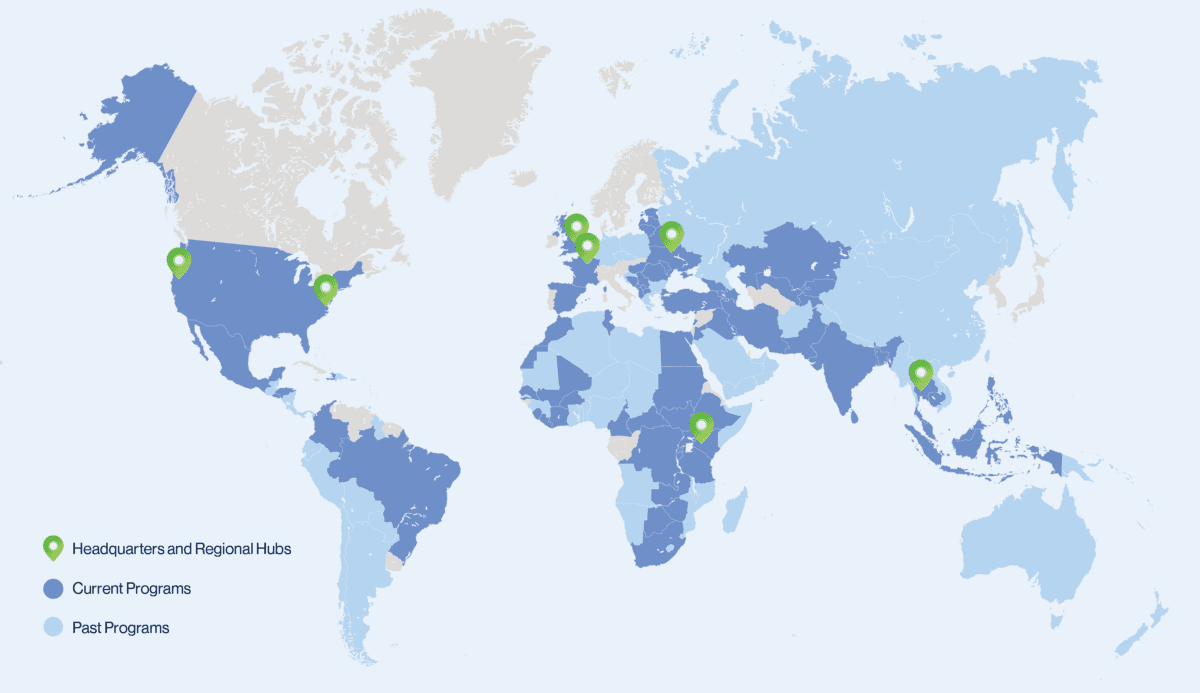
Learn more about Internews’ work in regions and countries worldwide:
Sub-Saharan Africa
In Sub-Saharan Africa, Internews responds to access to information needs for the marginalized and vulnerable.
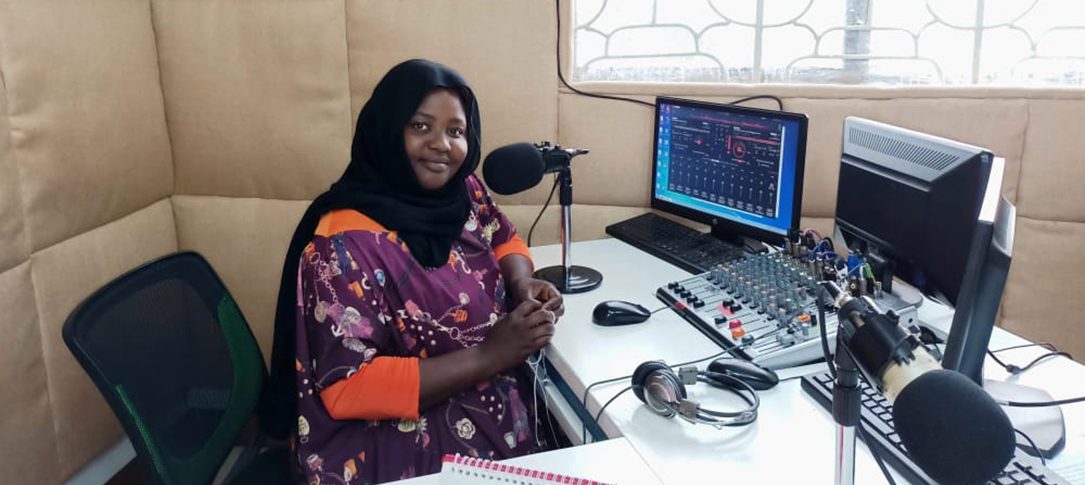
In Kenya, we strengthen community knowledge by ensuring free, easy access to high quality maternal health information. In South Sudan and Central African Republic, we respond to information needs during humanitarian and political crises.
In Democratic Republic of Congo, we support community radio stations to be more professional and more sustainable, and we work on the entire media environment to make sure citizens receive information and voices from diverse sources and channels. In this country, we also work to have more stories and voices from, for and about women.
In Cote d’Ivoire Internews support human rights organizations including LGBTI rights organizations to communicate better with the media and through the media. We champion coverage that doesn’t stigmatize. In Liberia, we focus on improving the media regulatory and legal environment.
Everywhere we work with media, social media and civil society to improve content on democracy and governance elections, interfaith issues, and community reconciliation.
Explore By Country
Latin America & Caribbean
Internews works throughout Latin America and the Caribbean with media, universities, civil society organizations, at-risk youth, environmental journalists, and human rights advocates.
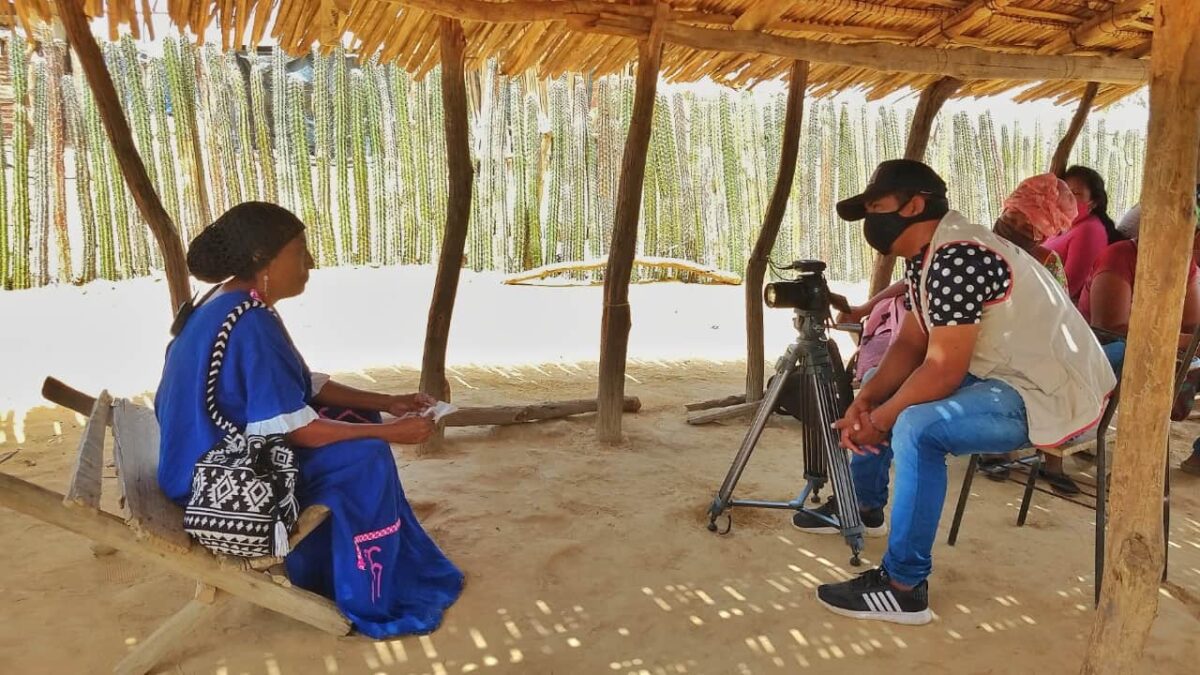
We help expand access to information through new and traditional media, encourage transparency and accountability, and promote progressive internet policies and legislation.
Middle East & North Africa
Internews provides training for media professionals to strengthen democracy and freedom of expression and to provide an opportunity for journalists within the region to become proficient.
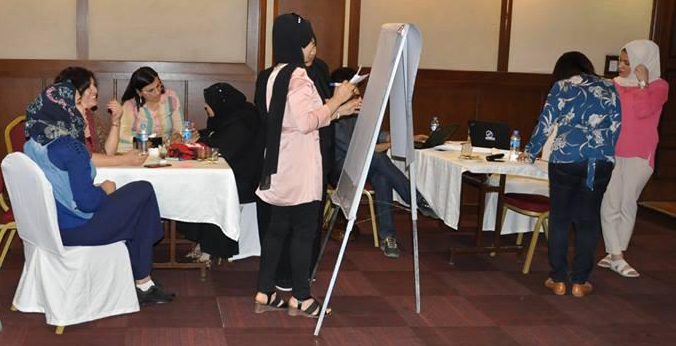
Capacity building activities include specialized reporting and advocacy training to strengthen local voices, digital security support and short- and long-term mentoring for both journalists and human rights activists.
Europe & Eurasia
Internews’ Europe and Eurasia team has been working in the region since 1992, supporting diverse, high-quality media that serve the public interest and promote vibrant civic dialogue throughout the Balkans, the Baltics, Eastern Europe, the Caucasus, and Central Asia.

We help local partners such as national and regional independent media outlets and media support organizations carry out a range of initiatives including educating citizens and journalists about the role of a responsible media sector, fostering critical thinking and media literacy, increasing the quality and quantity of reporting by local journalists, helping media improve their online offerings and supporting traditional media in their efforts to go digital, providing legal support to journalists and media outlets, and reforming media legislation to better protect the freedom of speech and the press.
These approaches aim to create a vibrant, resilient media environment and a well-informed, active citizenry, as well as provide opportunities for cross-border dialogue and mutual understanding of shared challenges and opportunities throughout the region.
Explore By Country
- Armenia
- Azerbaijan
- Bosnia & Herzegovina
- Estonia
- Georgia
- Greece
- Ireland
- Italy
- Kazakhstan
- Kosovo
- Kyrgyzstan
- Latvia
- Lithuania
- Moldova
- Montenegro
- North Macedonia
- Serbia
- Tajikistan
- Ukraine
- United Kingdom
- Uzbekistan
Asia
Internews’ Asia portfolio consists of diverse initiatives broadening access to information and freedom of expression, often set against a backdrop of profound political and social transition.
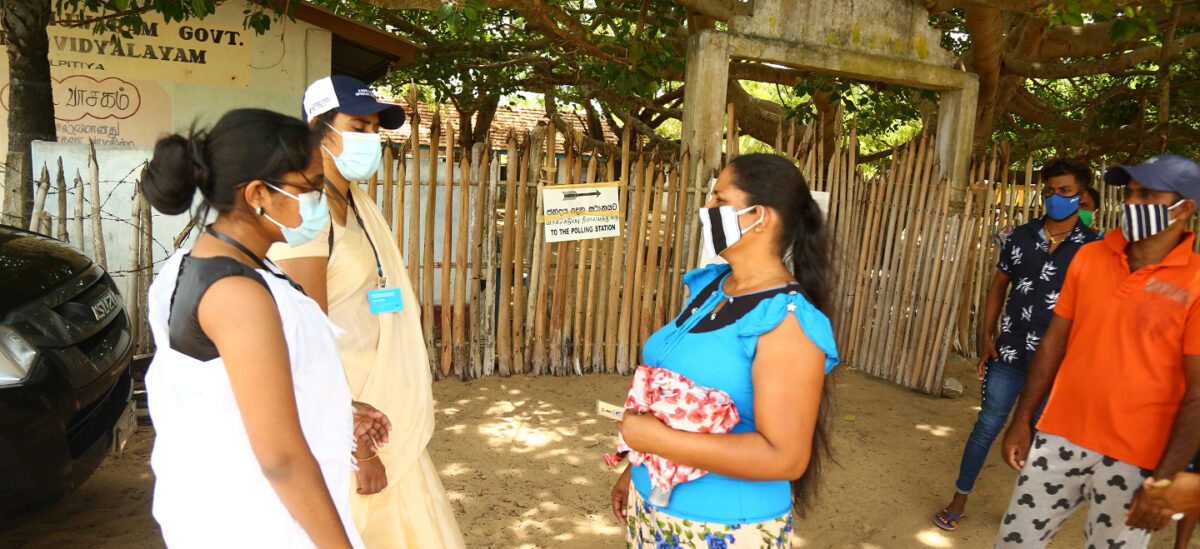
Internews entered Asia in 1999 to help build a public-interest media landscape in Indonesia in the aftermath of the Reformasi. Over 20 years later, we have expanded across Asia, with 30+ active projects across 12 primary countries plus regional environmental, humanitarian and health projects in 20+ countries.
With democratic backsliding a pressing issue in the region, Internews Asia empowers local actors – including journalists and civil society organizations – to hold governments to account, defend civic spaces and improve access to information.
Our programming provides local actors with technical assistance, capacity building, legal support, story grants, and networking opportunities, with a special focus on championing gender equality, combatting the COVID-19 infodemic and misinformation more broadly, supporting digital and media literacy, improving media sustainability, defending religious freedom and Rule of Law, promoting economic empowerment, and enshrining journalist safety.
Internews is recognized in the region for its on-the-ground, co-creation approach and extensive local networks, producing programs that deliver meaningful, long-term impact.
North America
In North America, we work on community-based media projects that expand two-way conversations between audiences and media producers.
