Information is Everywhere.
Trust isn’t.
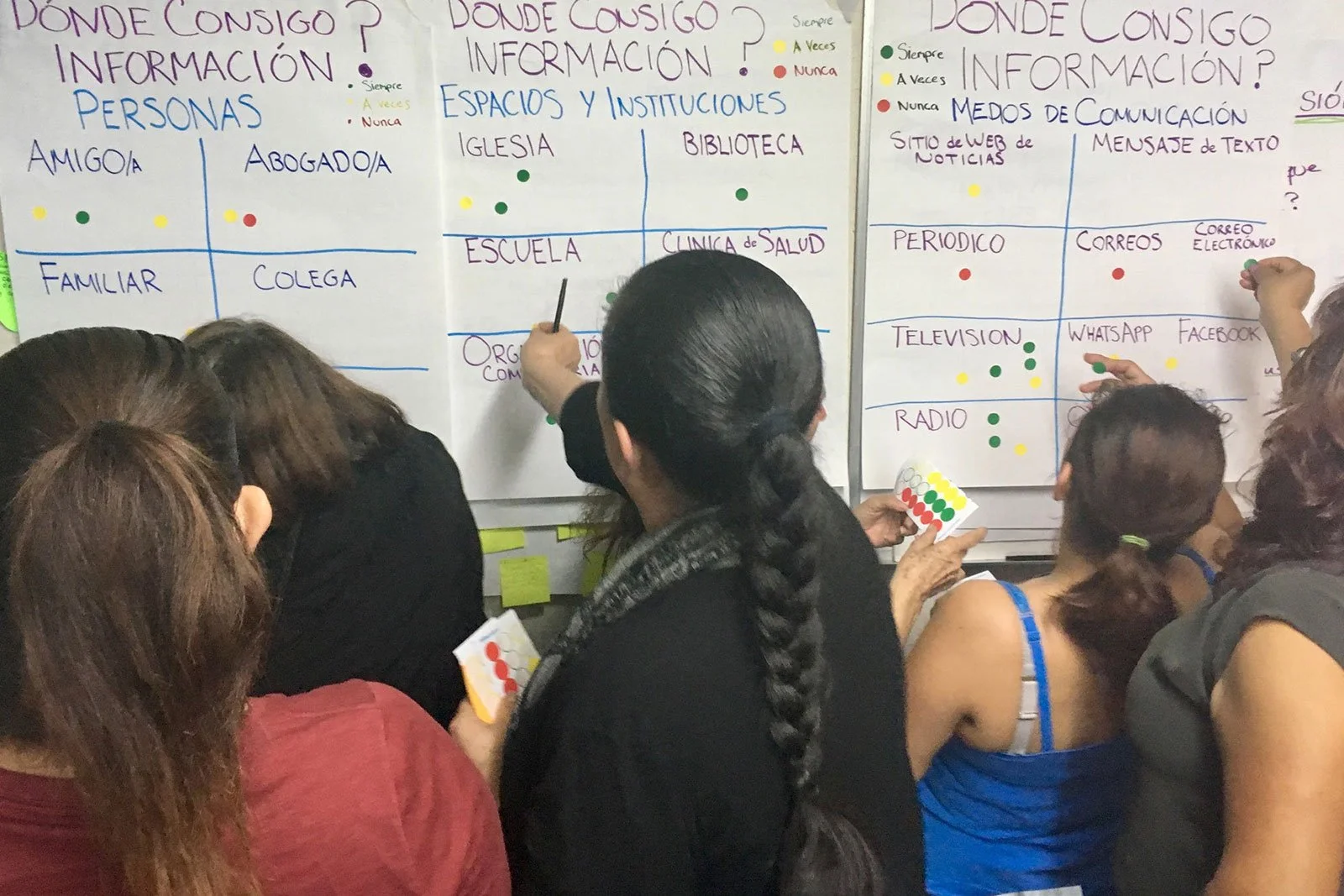
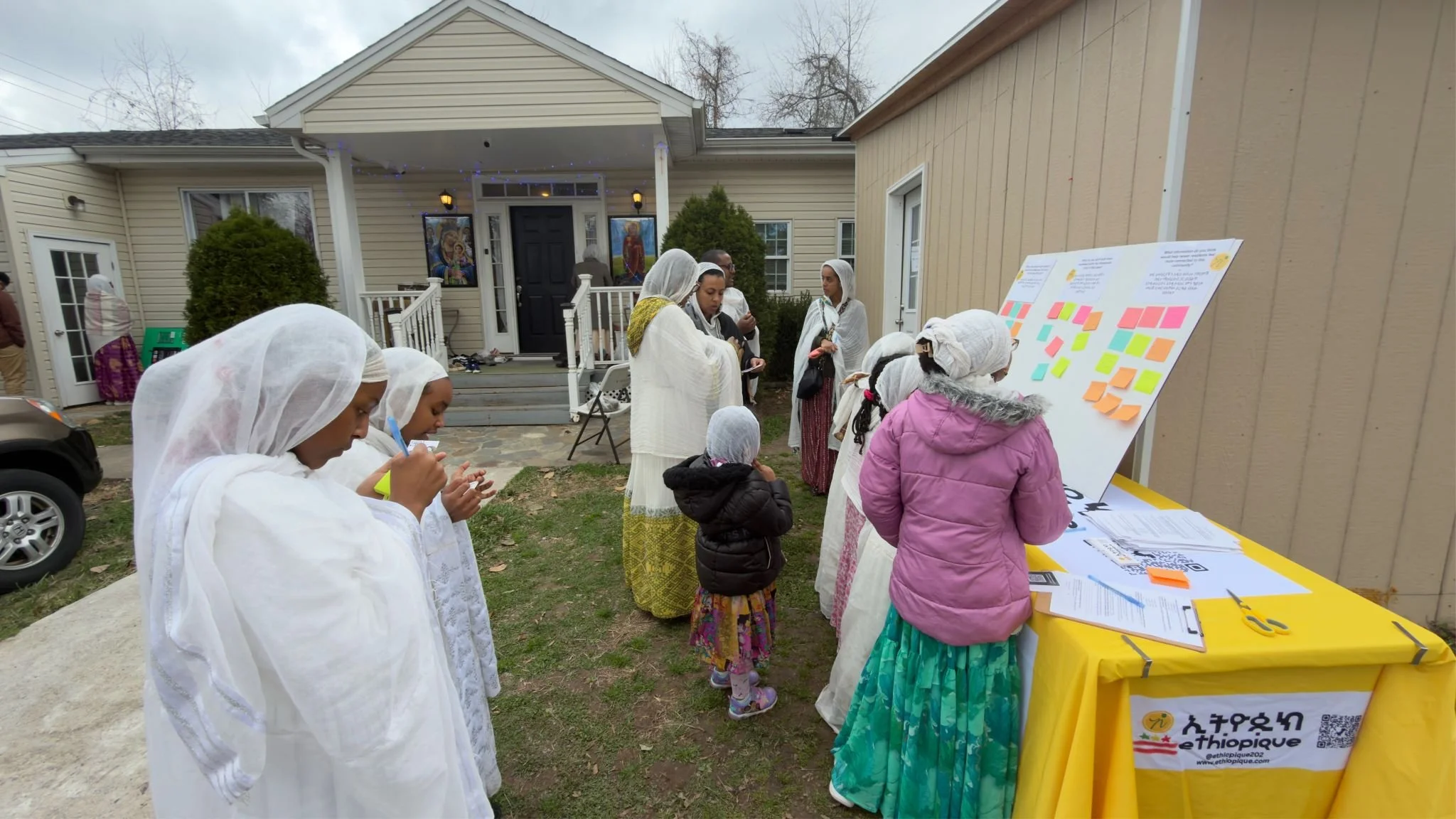
We invest in trustworthy information communities already rely on. We partner with communities to identify who people actually trust, the information they want and need, and the places and platforms they already turn to.


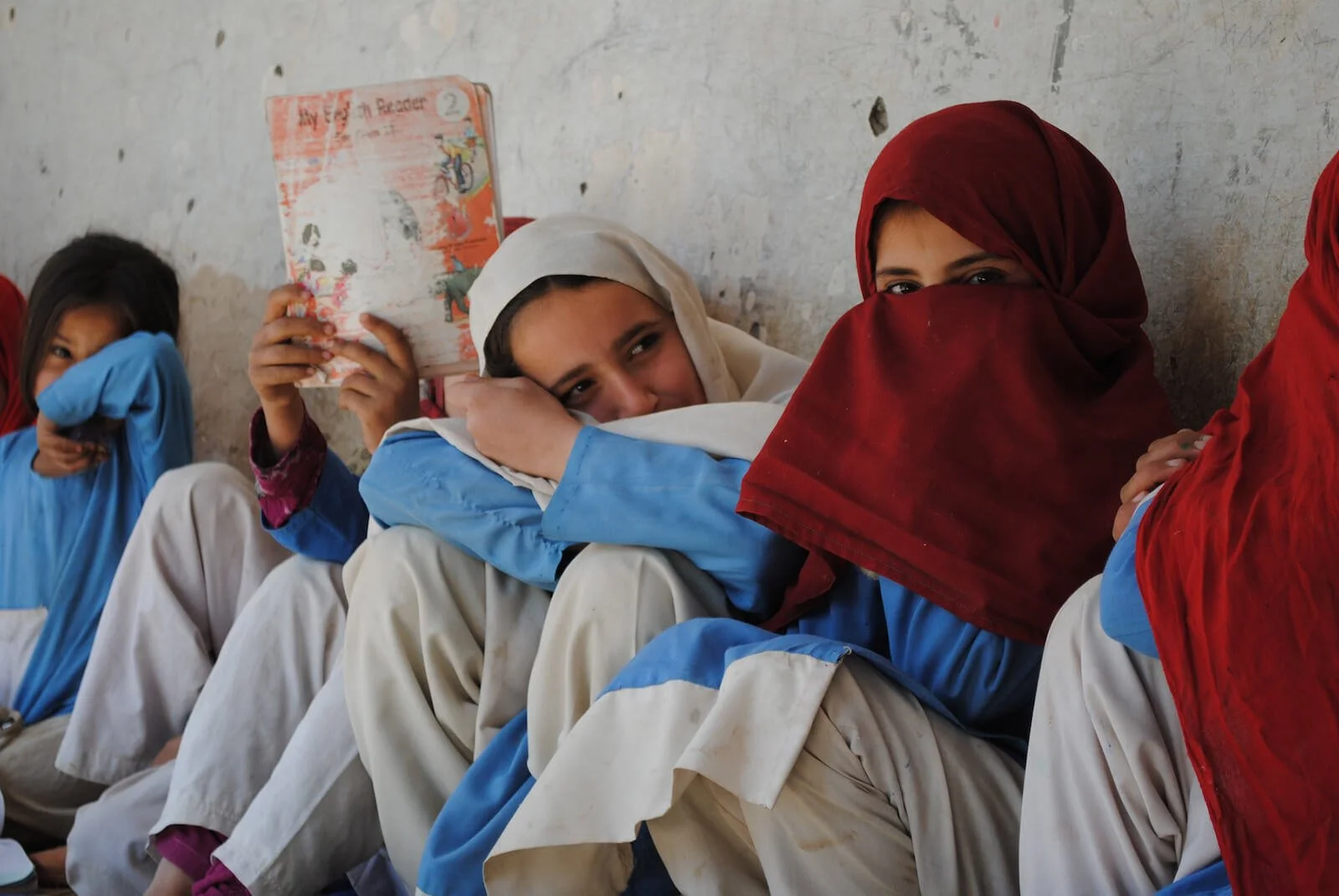
Every Community Runs on Information.
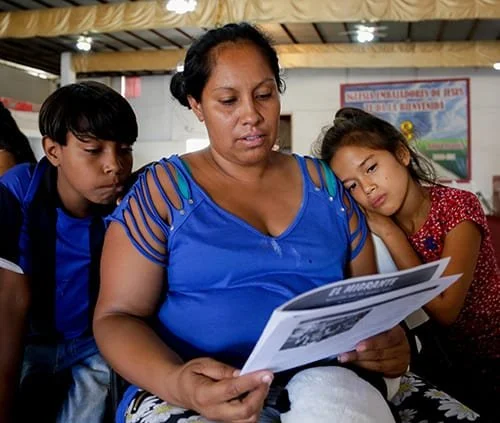
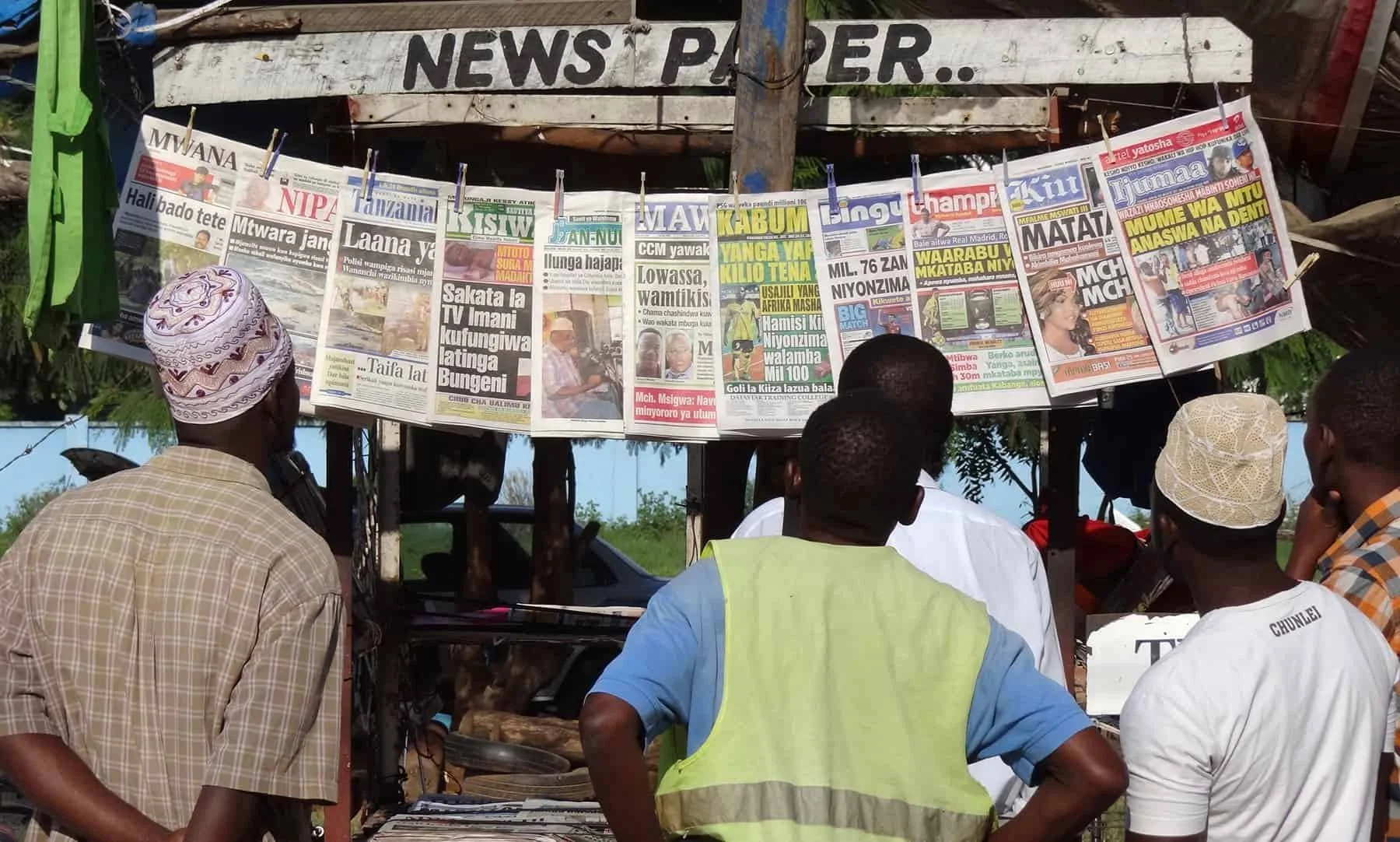
When communities can get information they trust, in a form they can use, they do more with it. They can solve problems, show up, and ask hard questions of the people making decisions. They get to know their neighbors.
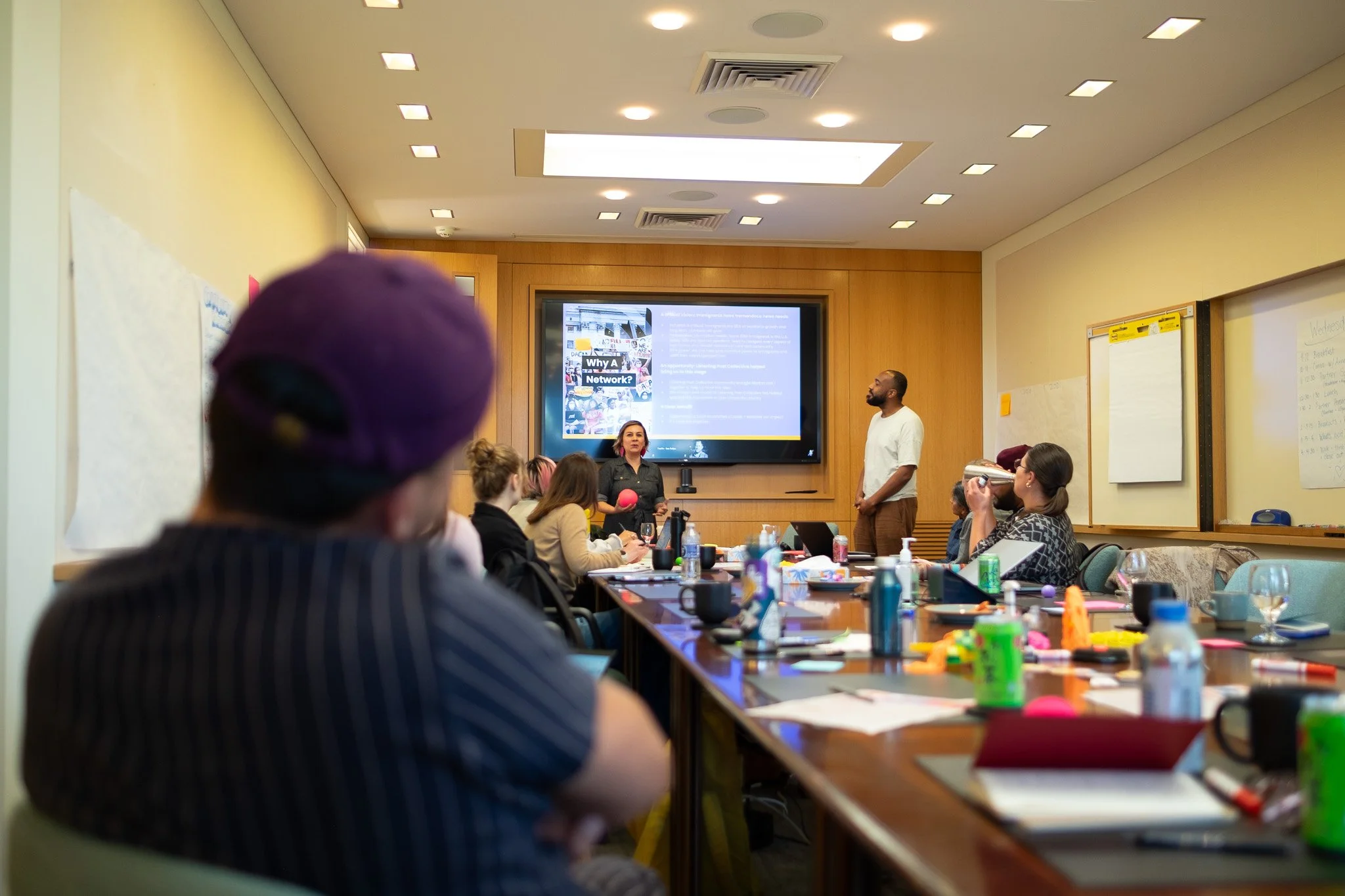
Do this consistently over years, and a community gets stronger—and better able to handle what comes next.
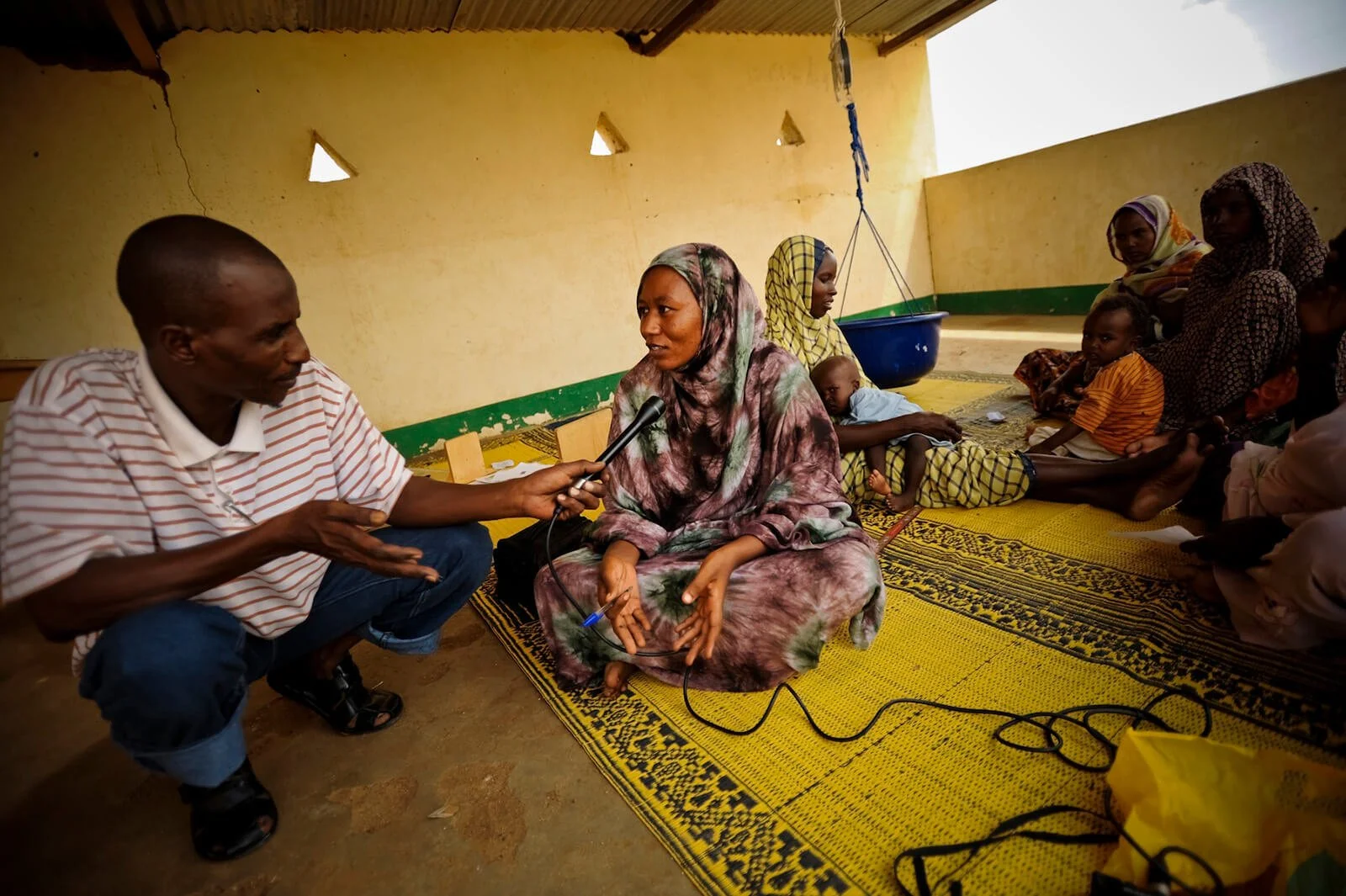
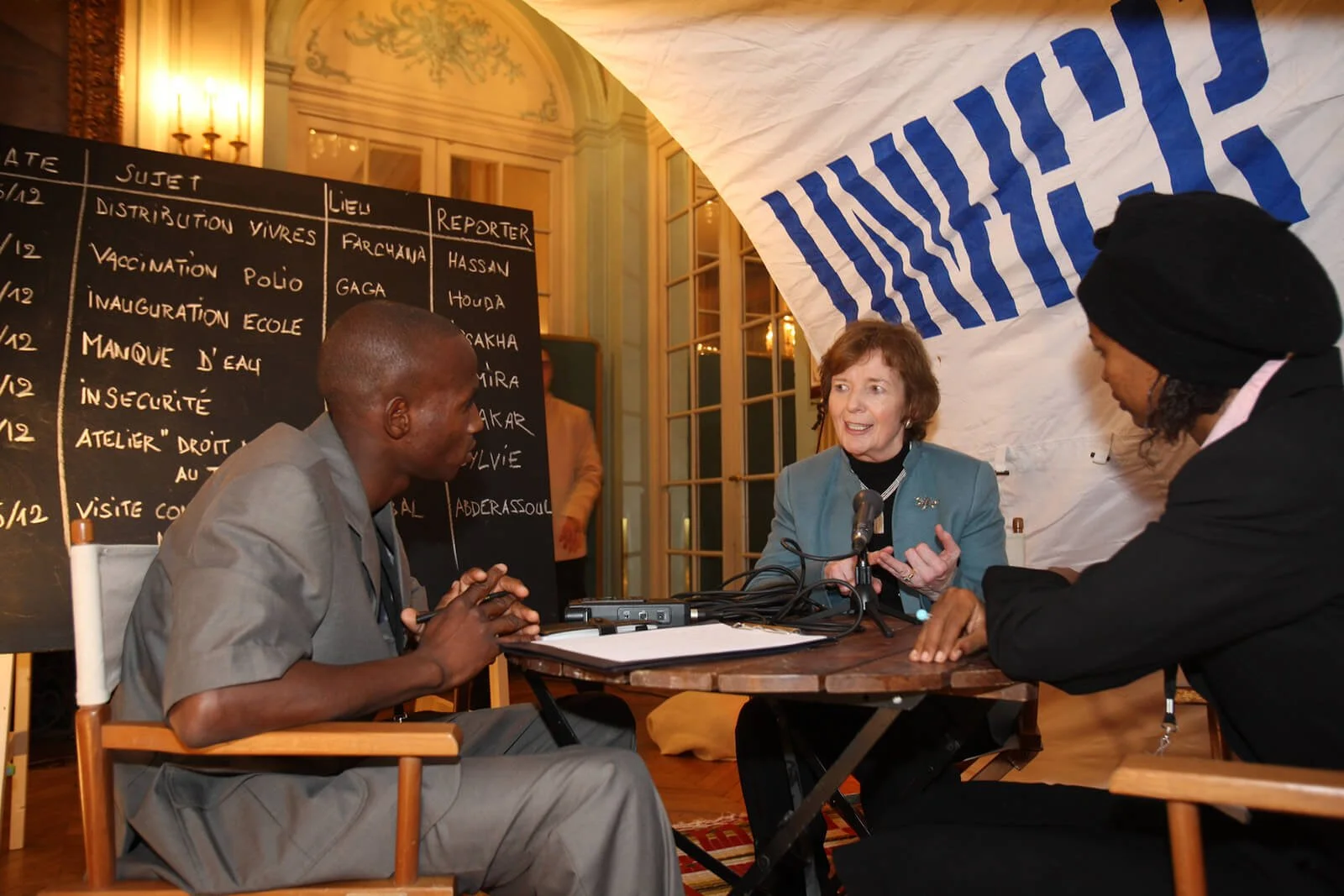
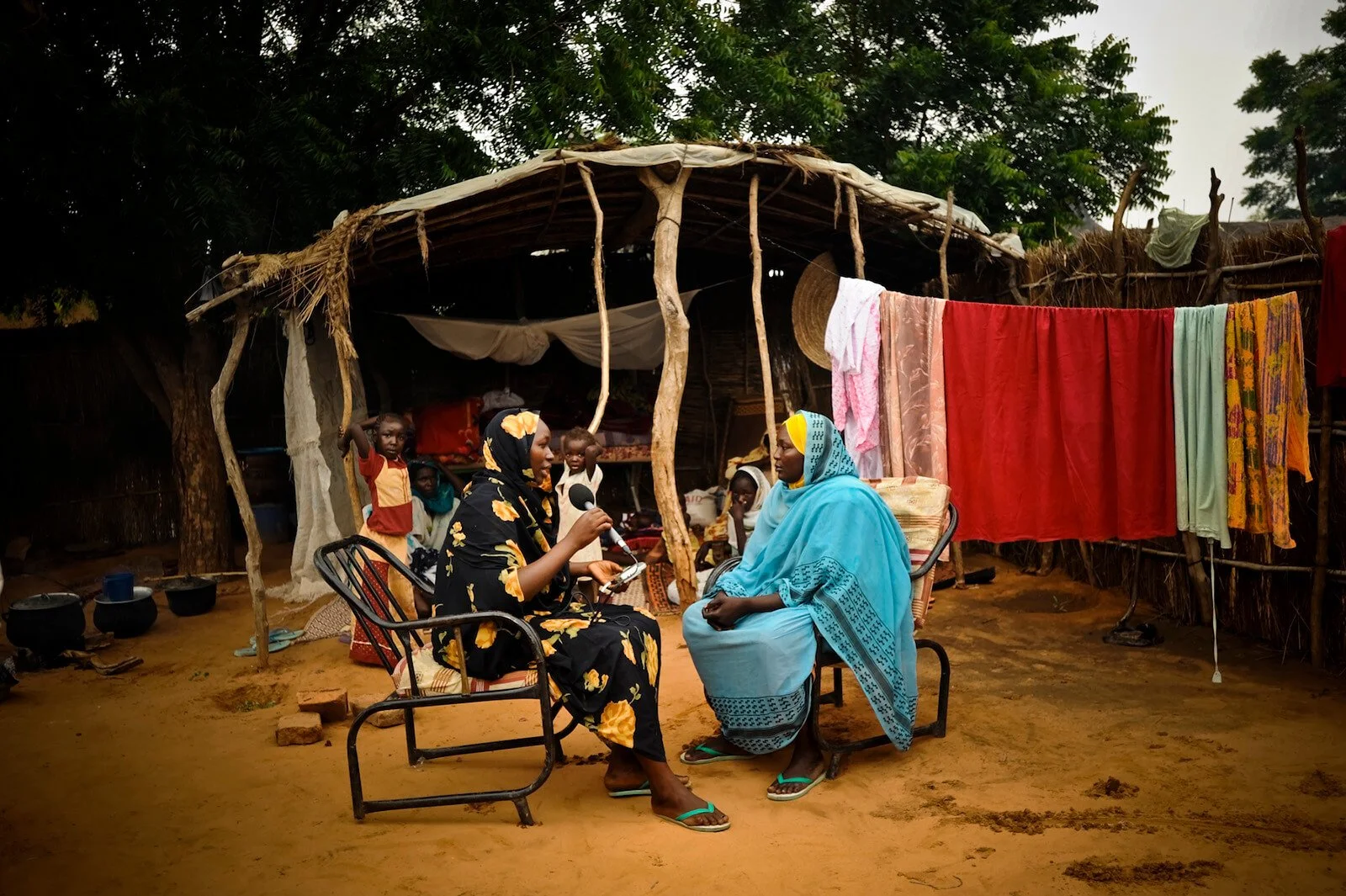
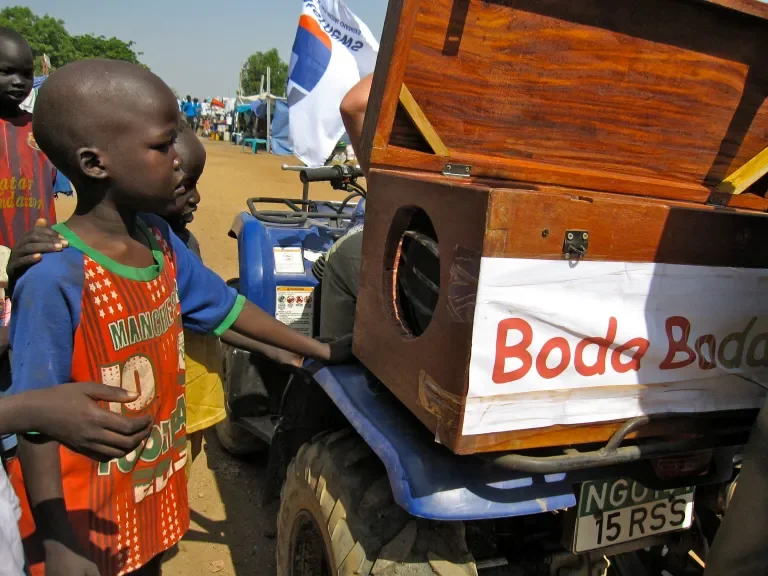
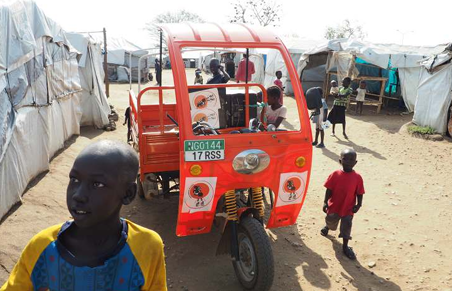
For 40+ years, in more than 100 countries, Internews has supported trusted and trustworthy information sources that arise in unexpected forms and unexpected places: from radio stations broadcasting out of trucking containers to megaphones strapped on bikes in refugee camps.
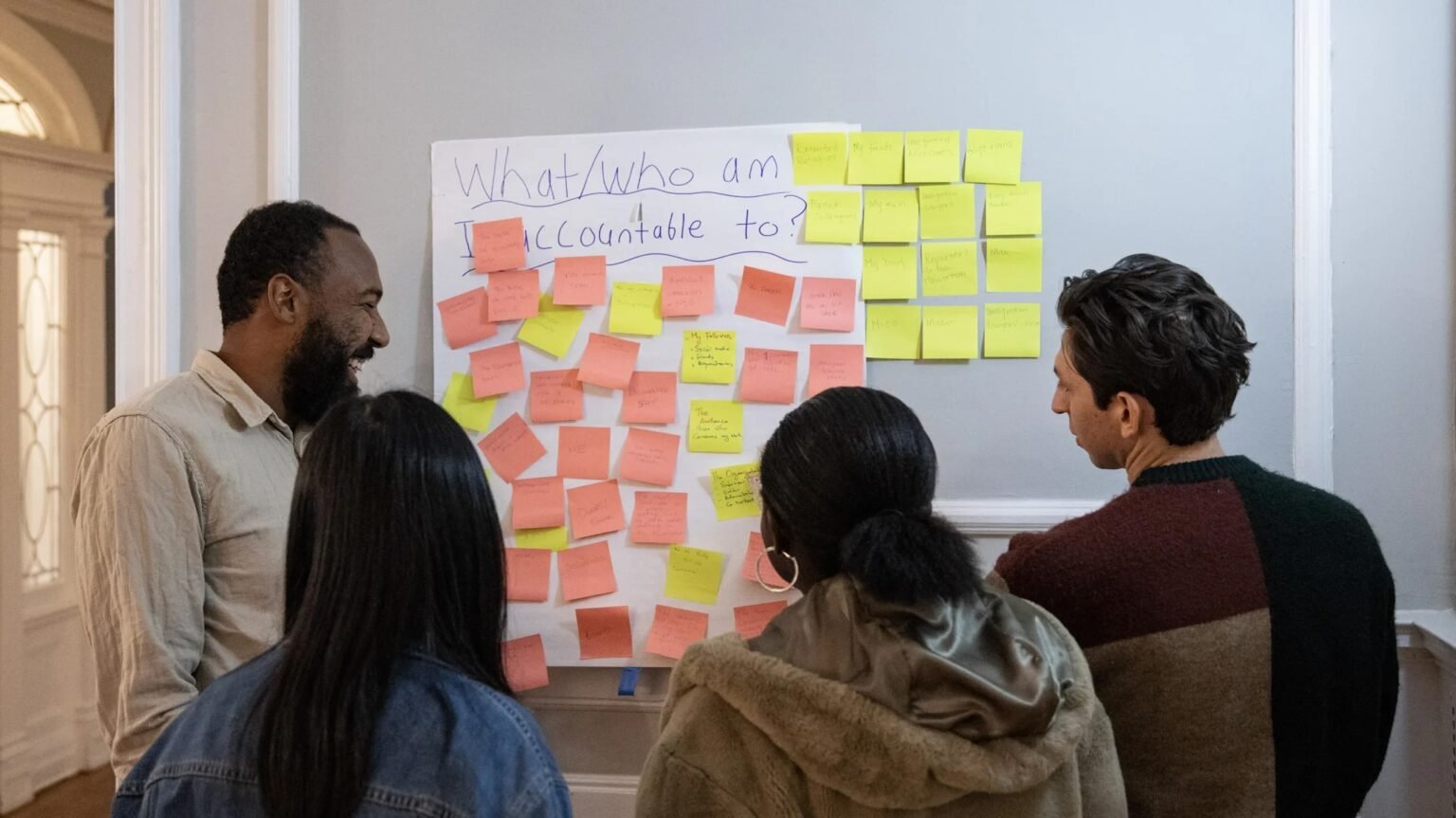
We do not force a one-size-fits-all media solution on to local partners. We take a listen-first approach, partnering with communities to identify information gaps and opportunities.
Then we invest in community-led news solutions, to pilot new ideas or strengthen existing ones.
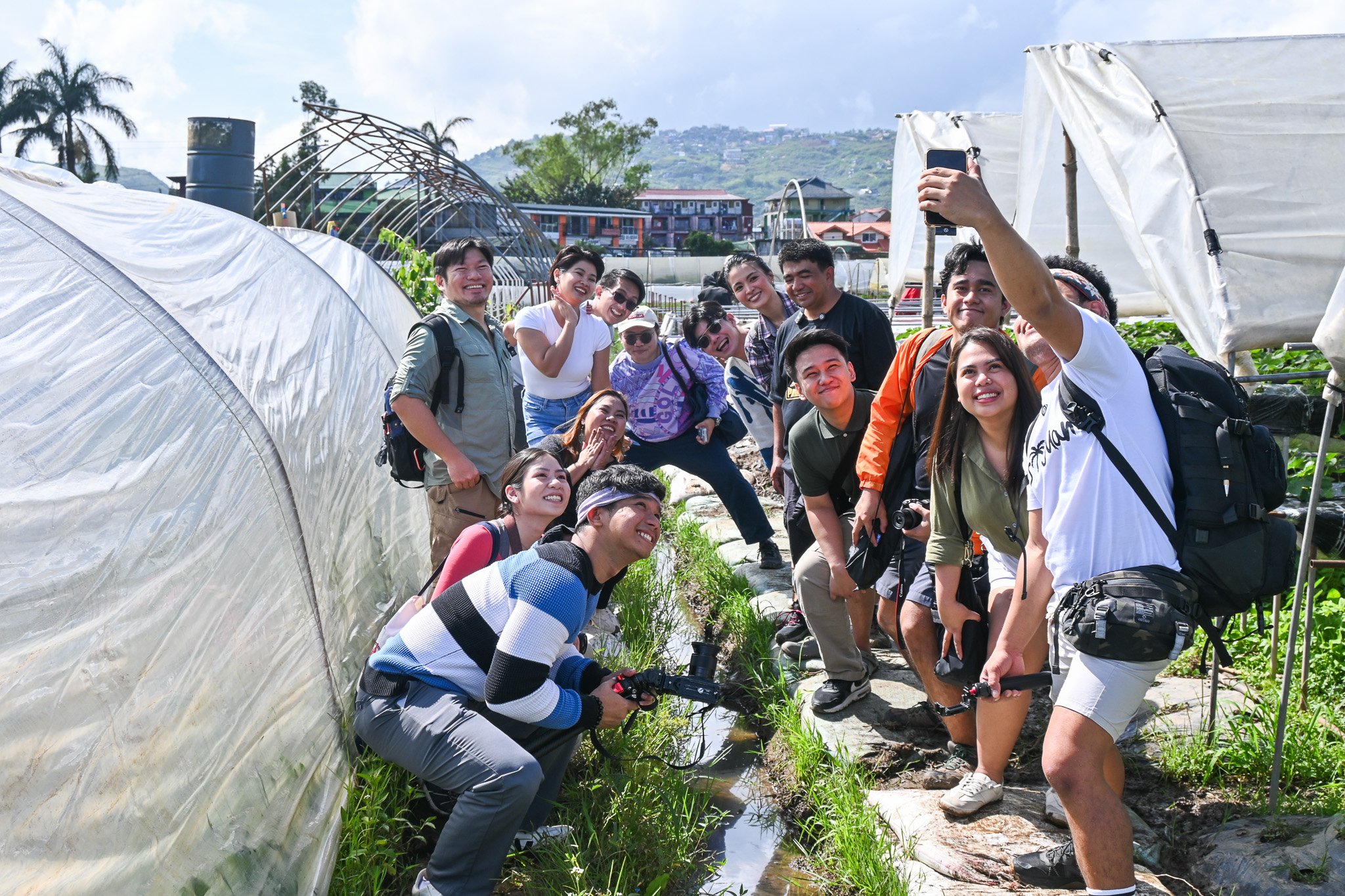
Initiatives
International: Independent Media Support
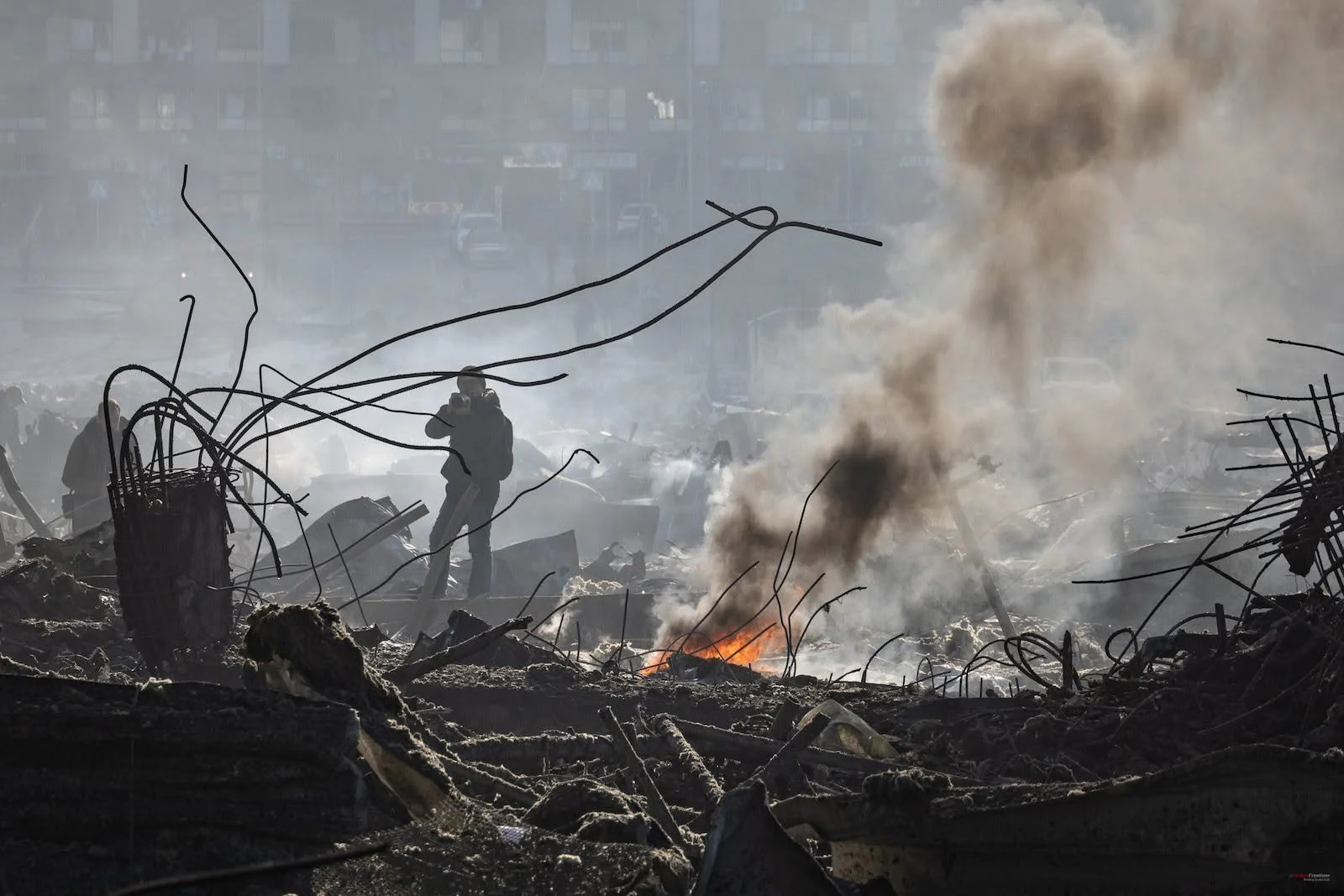
We support independent newsrooms and local media in the hardest places to get information: amid war, humanitarian crisis, political upheaval, and in countries pulled apart by deception.
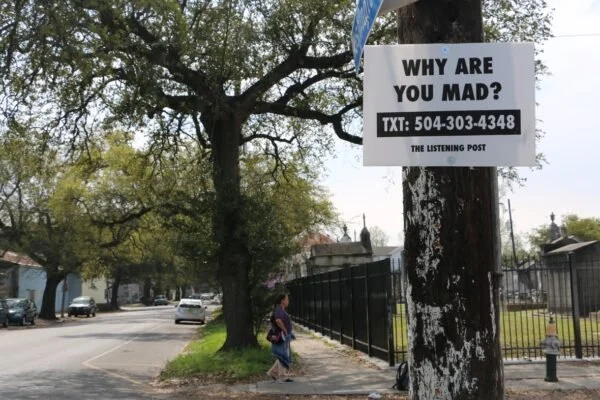
United States: Listening Post Collective
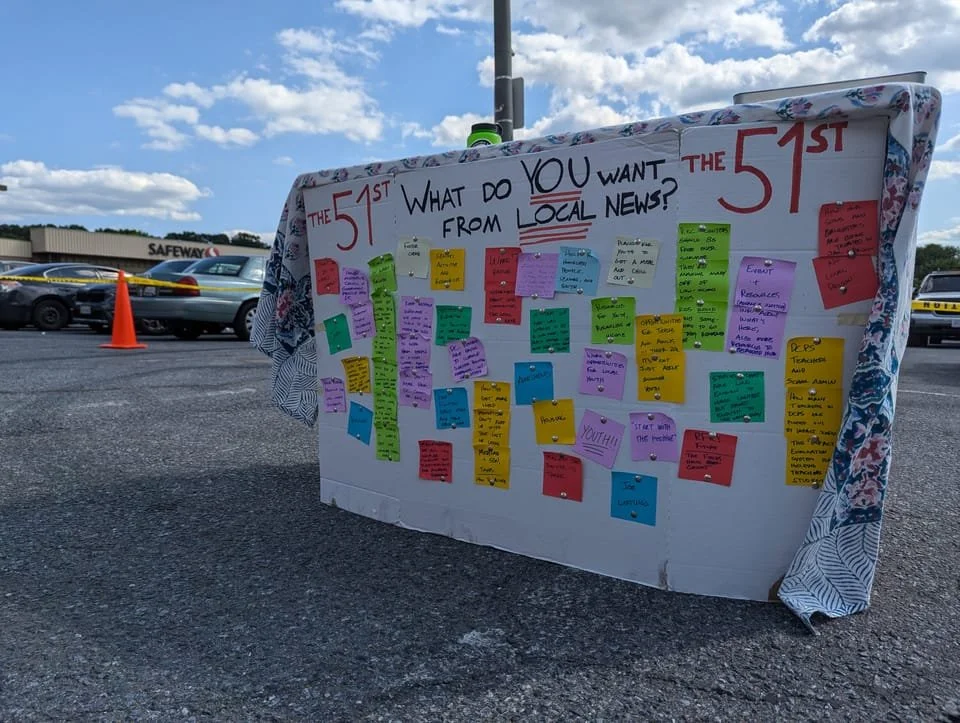
We work with communities across the US to develop the locally driven news and information solutions they need to thrive.
Global: Earth Journalism Network
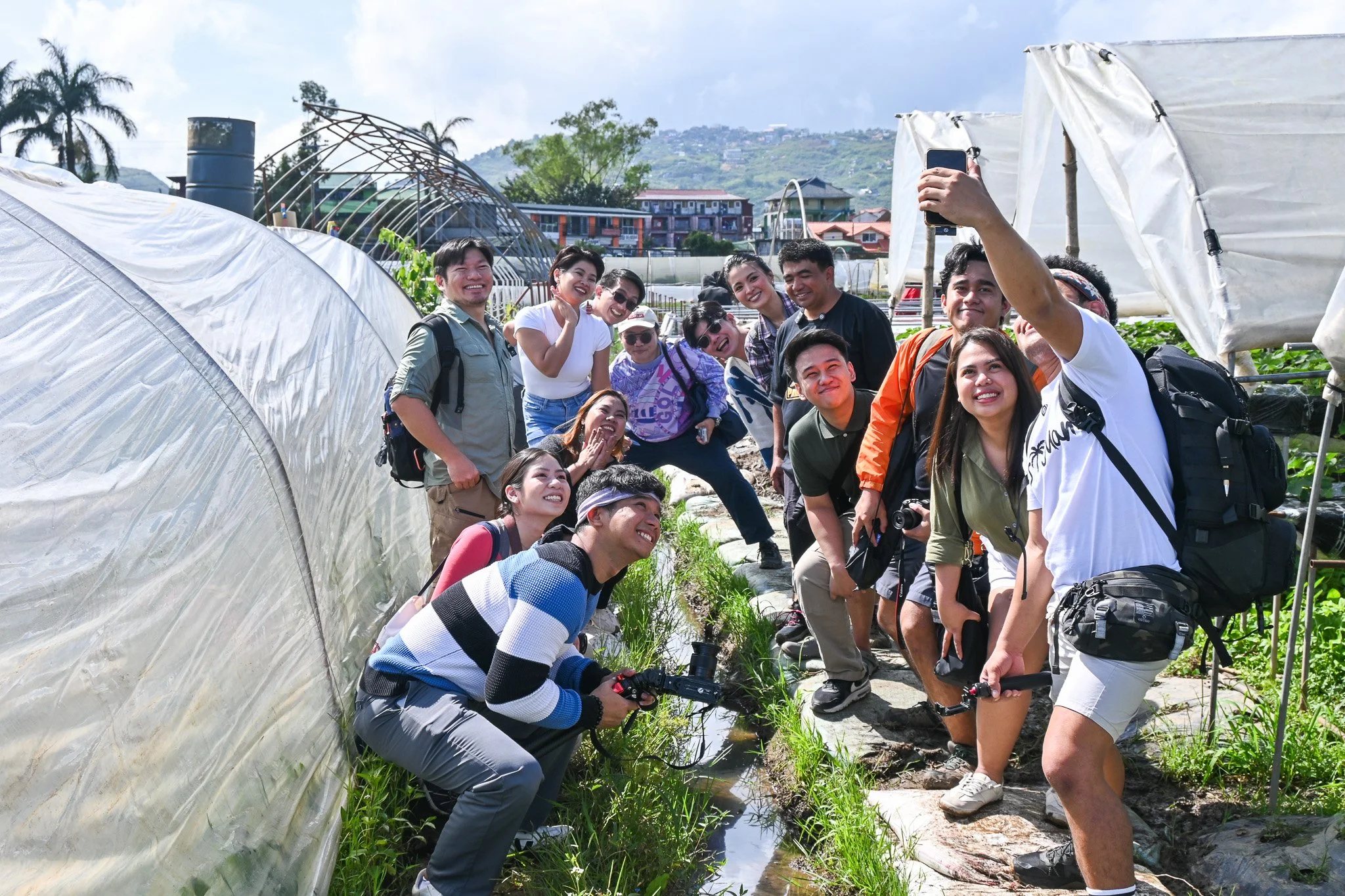
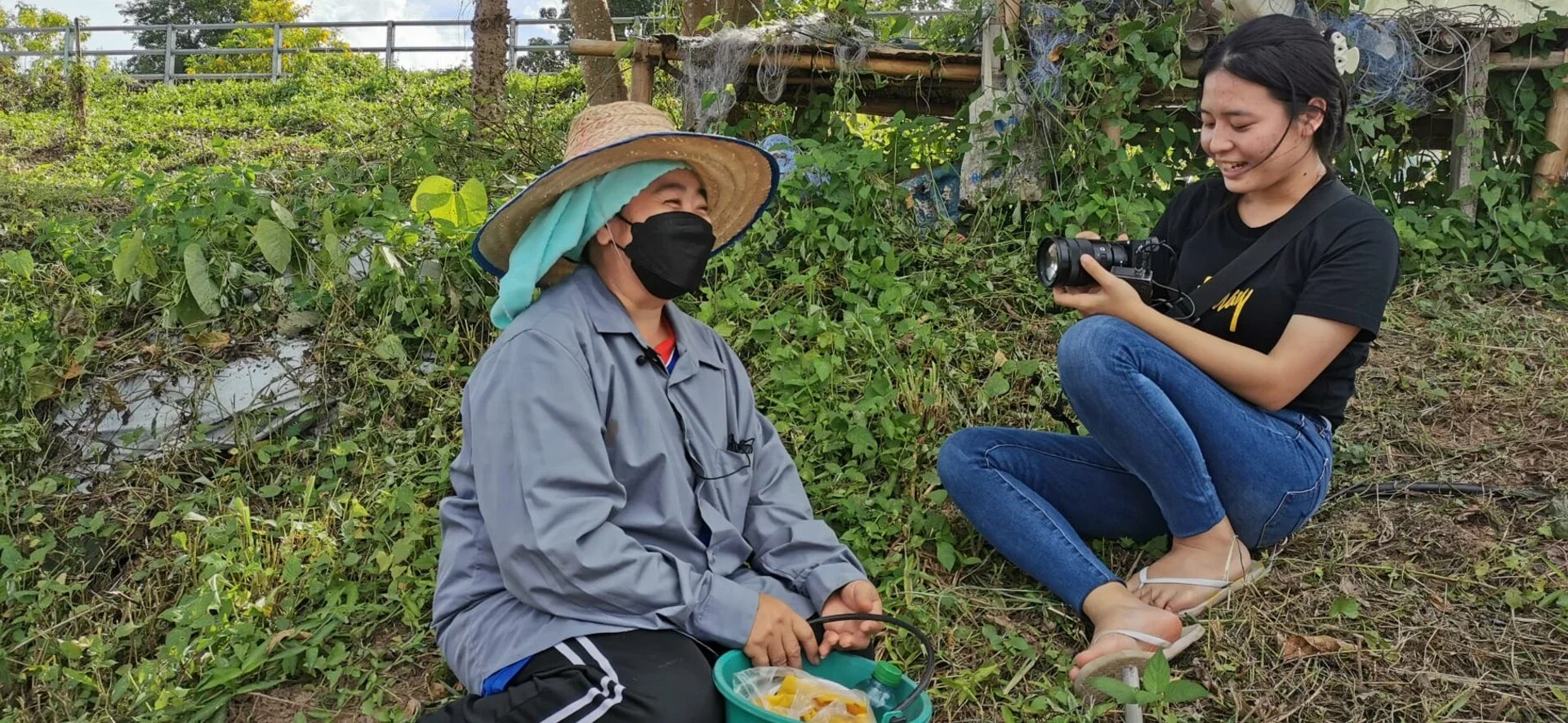
We train and mentor journalists and information providers in underserved communities to cover the environment more effectively — and connect them to a worldwide network.
How Do We Know It’s Working?
People are not generally tracking if their local outlet published more stories this year than the year before; what they do care about is whether the information that matters to them reaches them, and that they know what to do with it.
People use information to act.
When civil war in South Sudan displaced hundreds of thousands into UN protection sites in 2014, there was no way to tell a camp of 14,000 people where food was being distributed or how to avoid illness. Internews created a twice-weekly audio program, played through speakers mounted on motorbikes that stopped at listening points around the camp. Among regular listeners, 76% started washing their hands more often and 68% stopped bathing in drainage ditches.
Leaders have to answer.
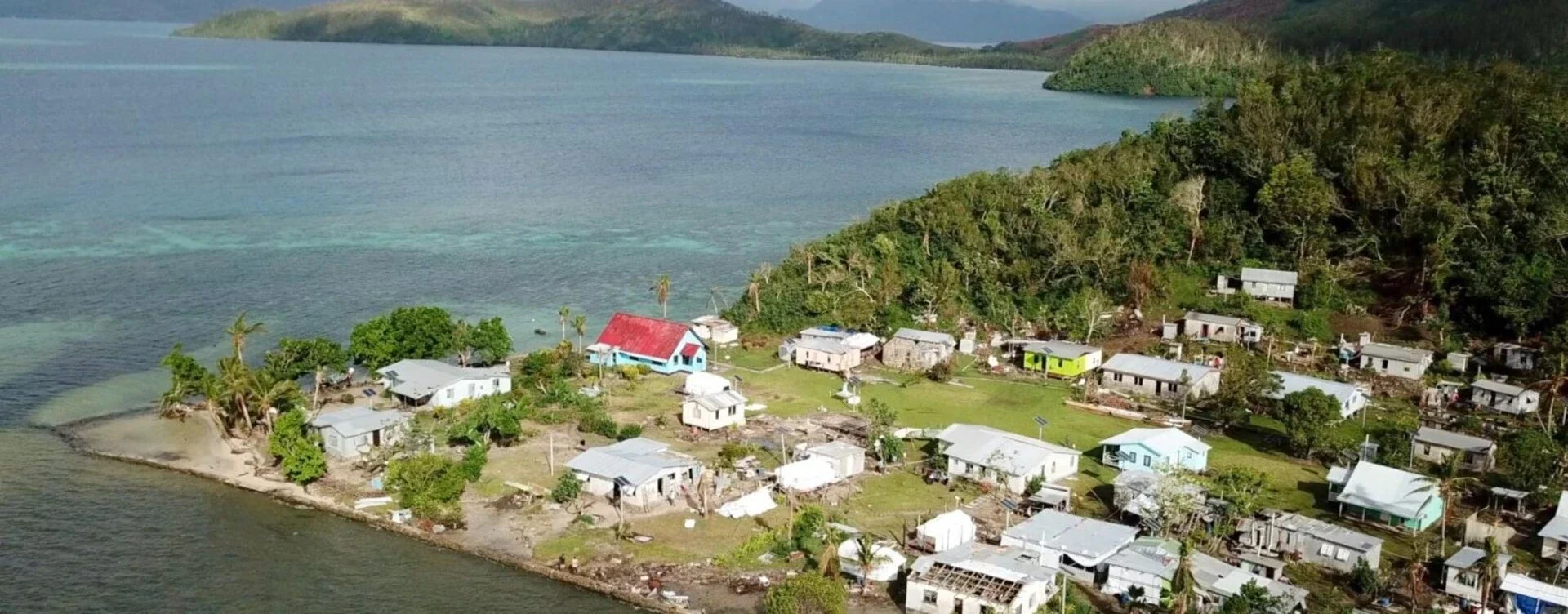
For a decade, the people of Narikoso village on Fiji's Ono Island waited to be moved to higher ground as the sea took their shoreline. With an story grant from Internews’ Earth Journalism Network, a Fijian journalist reported on what was holding the relocation up. Within two months the Prime Minister had inaugurated the relocation site, and the first families moved to safety.
Nobody gets left out.
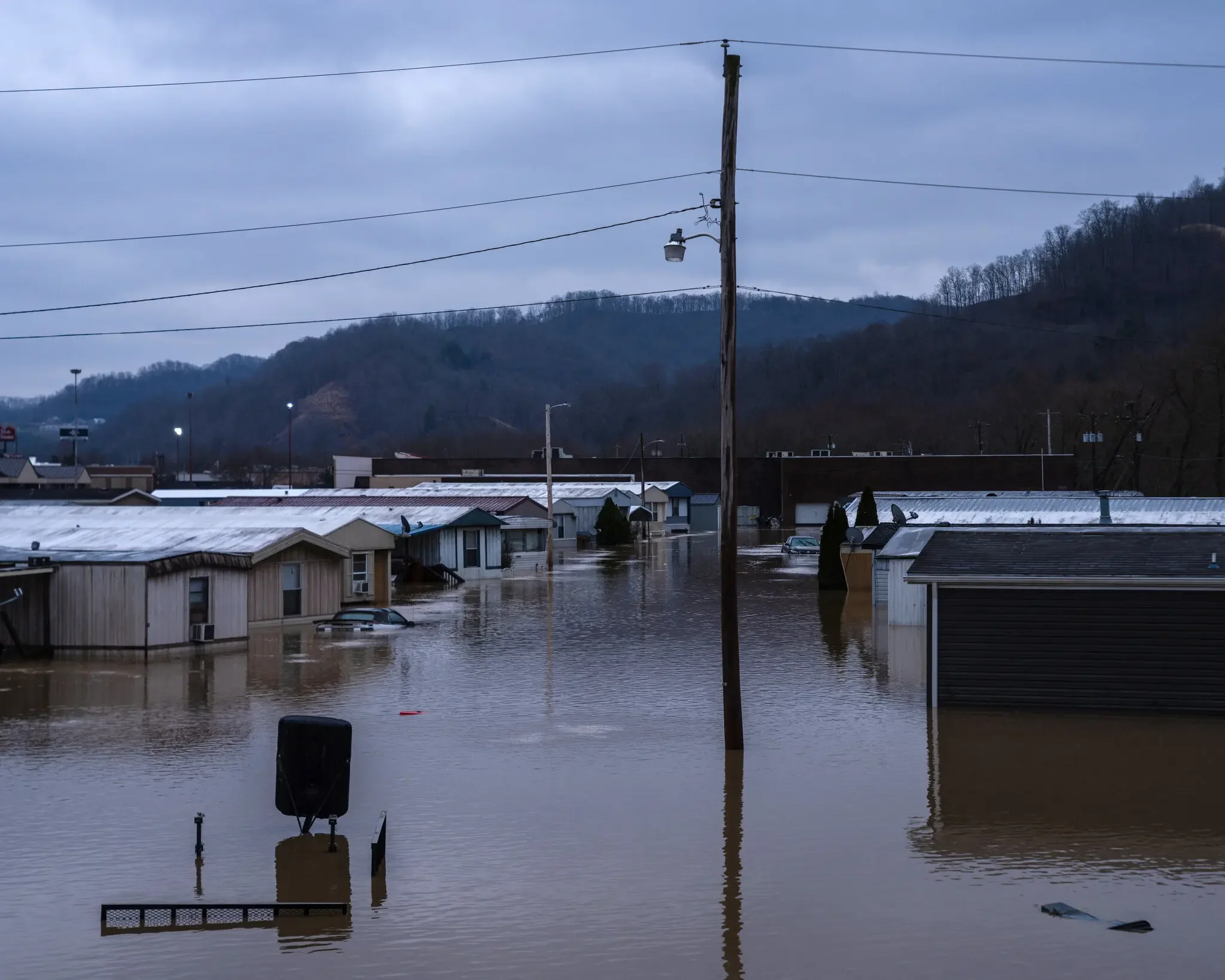
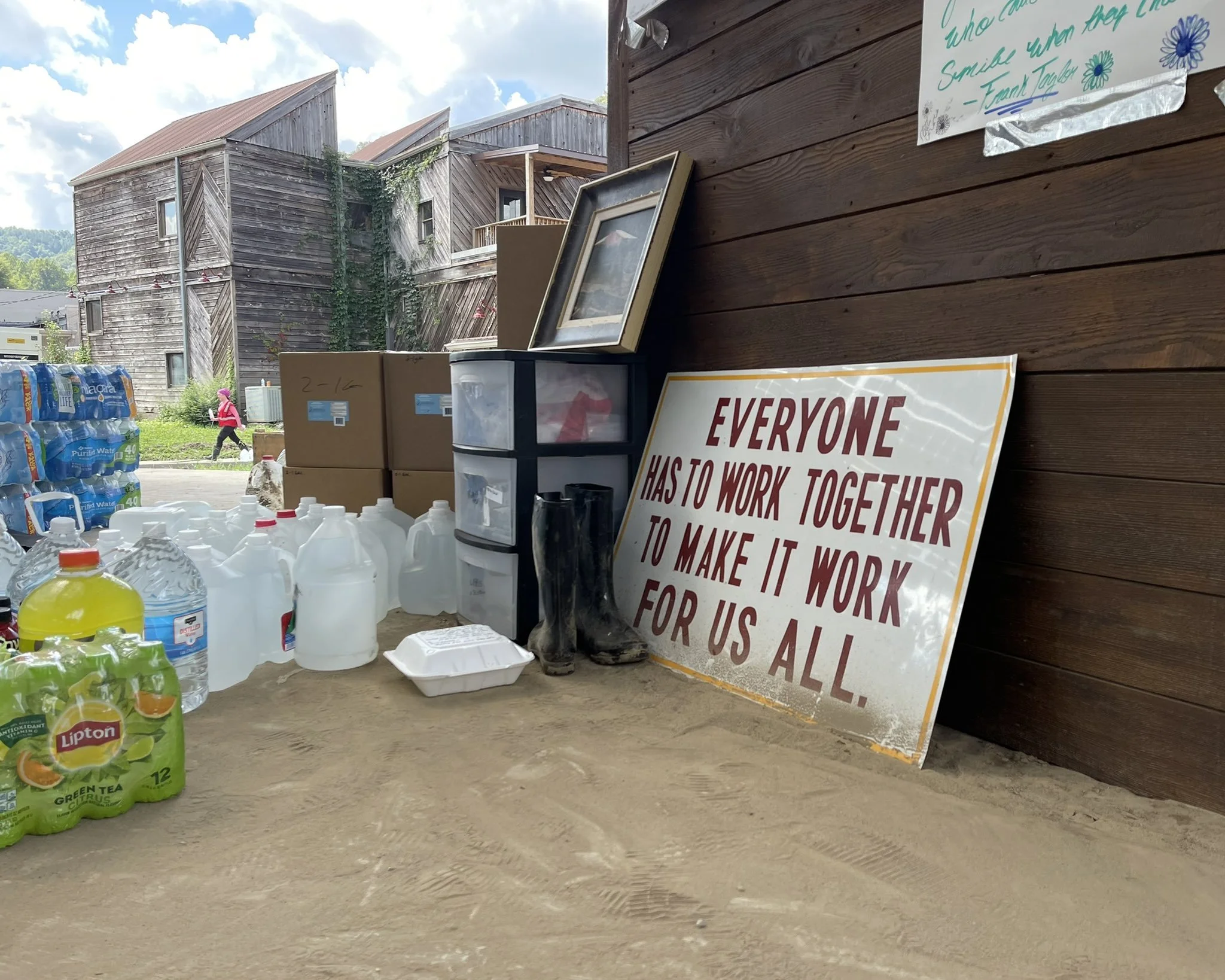
After catastrophic flooding in eastern Kentucky in 2025, radio station WMMT asked its listeners how they found (or didn’t find) information during the crisis. With support from Internews’ Listening Post Collective, the station convened an Emergency Preparedness Cohort—a coordinating body that did not exist before and now meets four times a year to make sure the next warning reaches the people it missed.