What We Do
Whether working in a specific geographic region or through a thematic lens, Internews supports local information partners using a tested sequence: listening first, to establish how information moves in a place and which sources a community relies on; investing early, in the people and projects already doing the work; and then sustaining that investment long enough for a partner to operate independently.
Core activities run across all our programming:
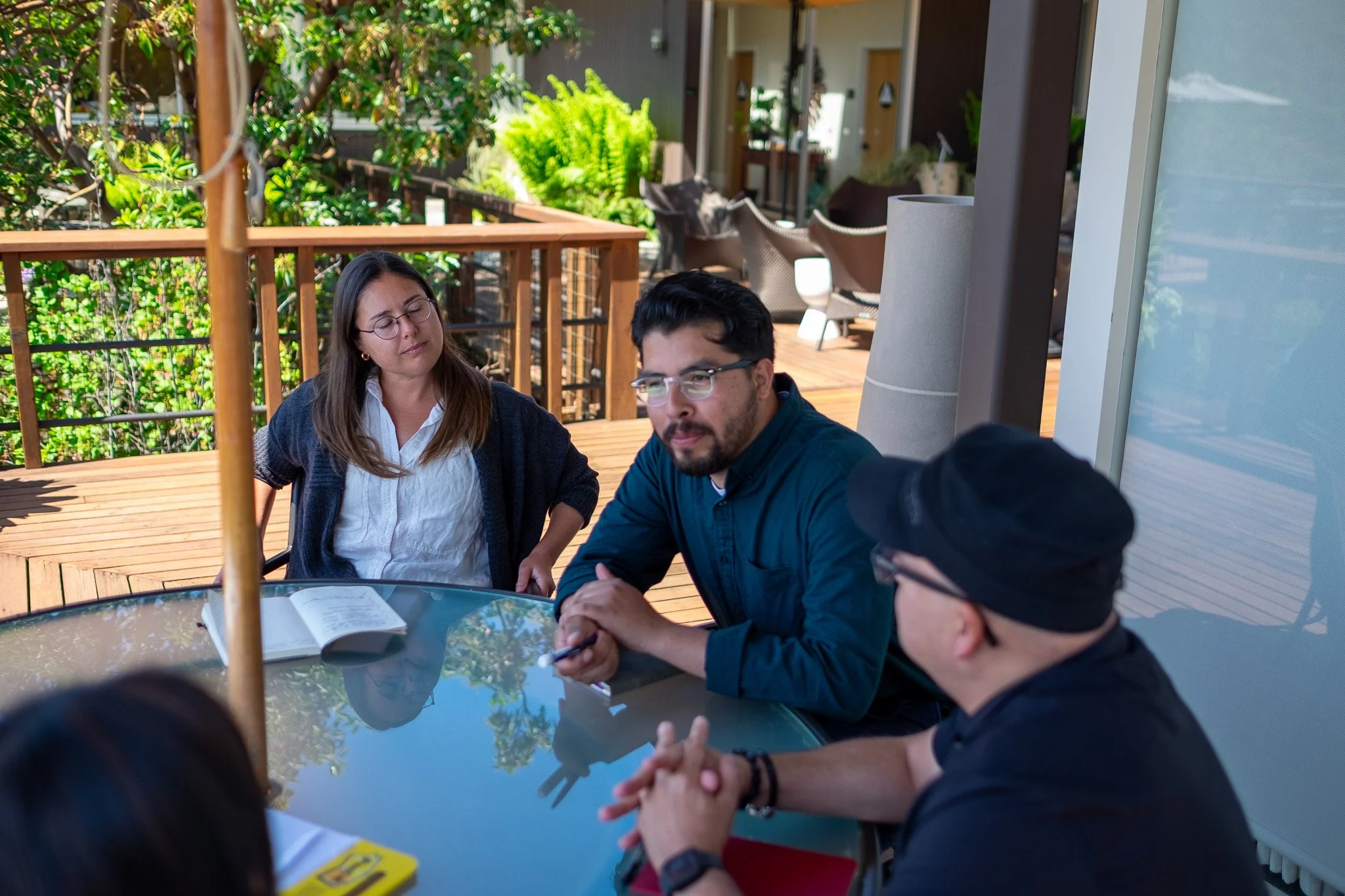
Information Ecosystem Assessments, a research method Internews developed in 2014, map a community's information from the inside, with findings that the community can put to use.
Investment runs from individual story grants to multi-year organizational support, and includes the flexible early-stage funding that larger funders are not yet positioned to provide.
Capacity building addresses the requirements of institutional survival: revenue models, audience research, editorial systems, digital and physical safety, and organizational planning.
Trainings build the skills of the work itself, from reporting and data analysis to covering difficult subjects safely.
International Programs
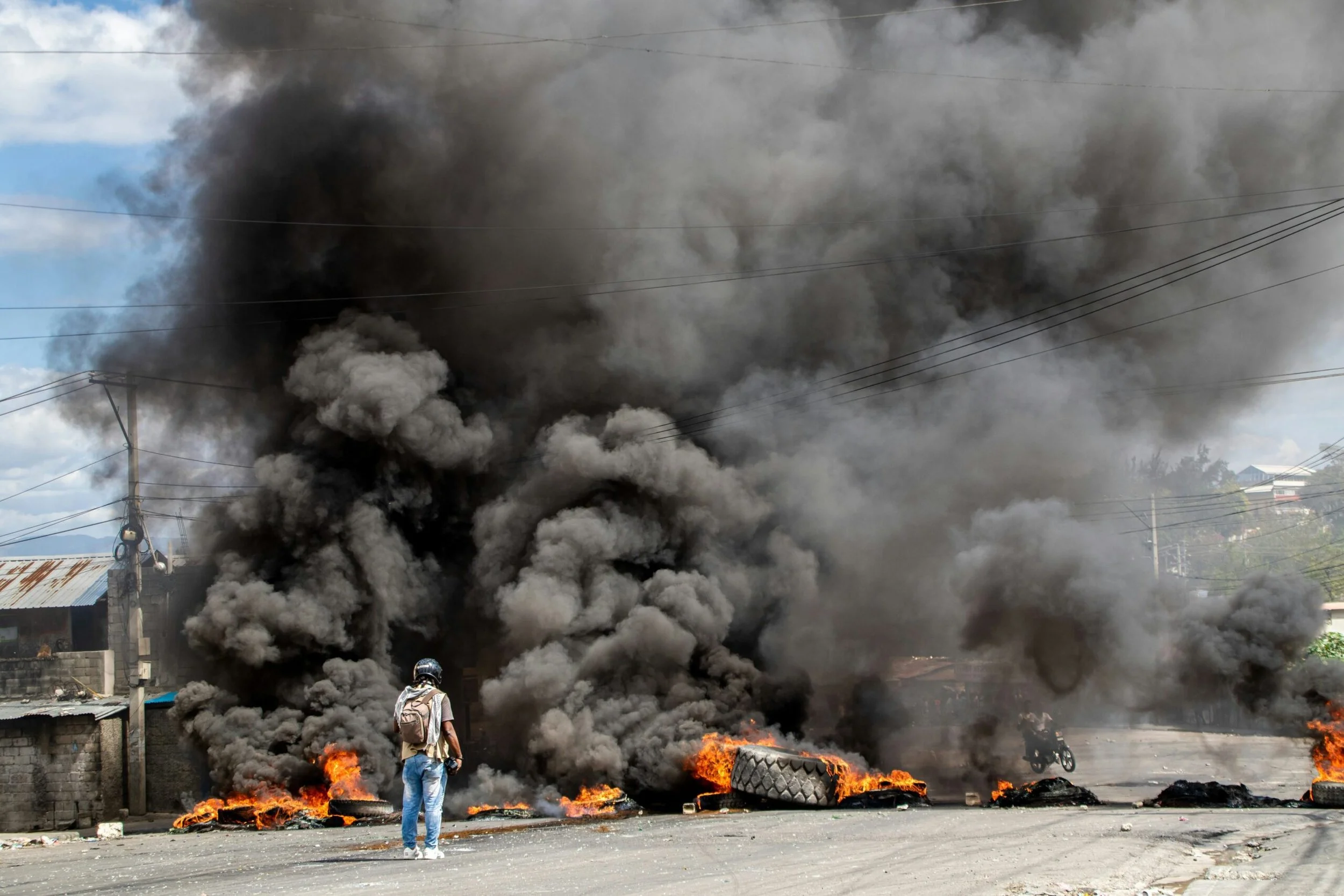
Internews' longest-running work supports independent newsrooms and local media in places where that work is difficult, contested or dangerous. The three-step approach holds, but the timeline compresses: in many of these contexts a partner needs to survive the year before it can plan for the next one.
-
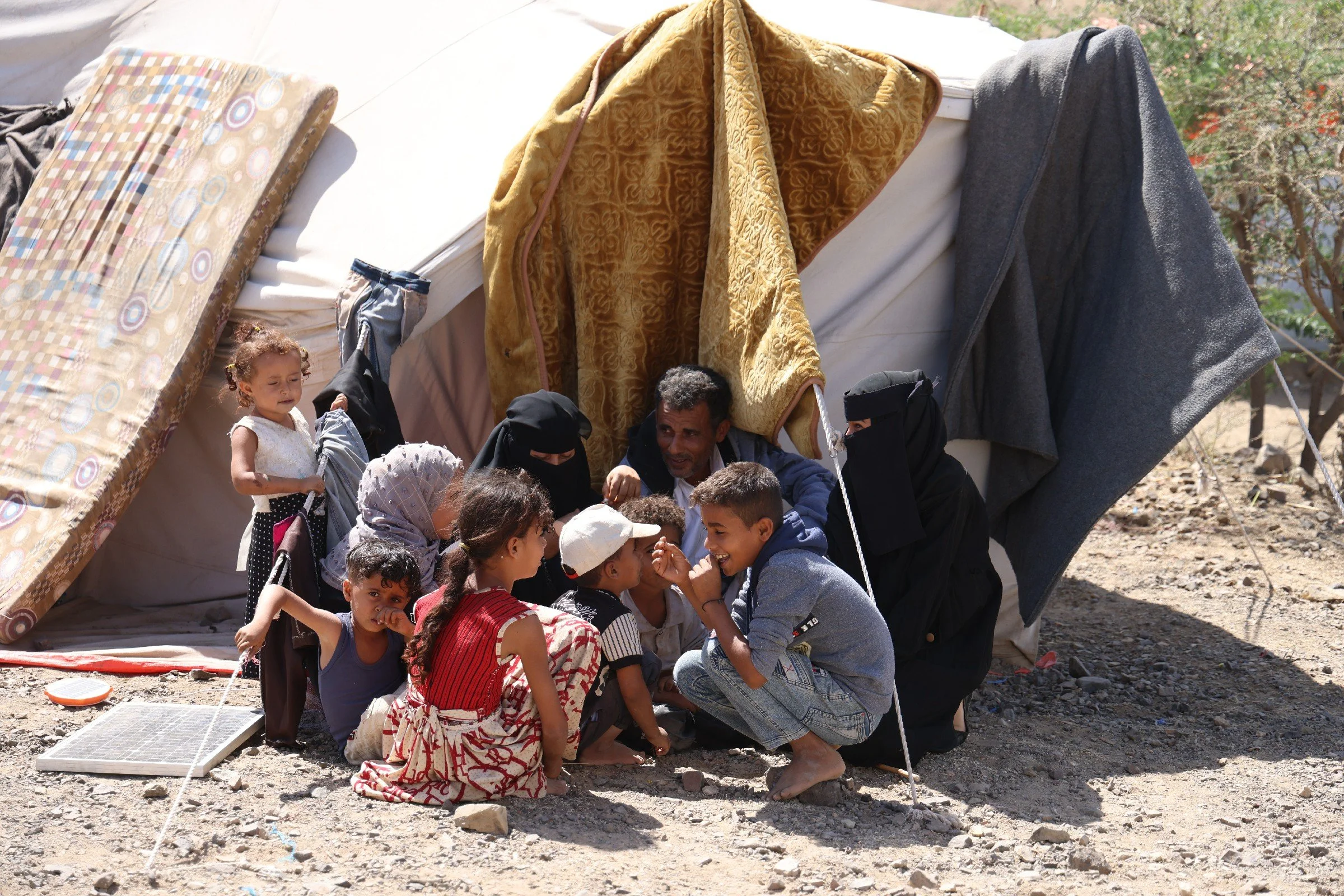
When an outlet is forced offline — by conflict, disaster, censorship or the sudden loss of funding — Internews provides rapid assistance: relocation, equipment replacement, legal and digital security support, and interim operating funds. The purpose is to keep newsrooms running through the periods when they are most needed and least able to sustain themselves.
-
Internews currently supports independent media across Ukraine, Moldova, Estonia, Latvia, Lithuania and Poland, South and Southeast Asia, and the Philippines, Indonesia, and Malaysia. Here, flexible funding and security support keep local newsrooms reporting through war, disinformation and crisis.
-
Through four decades of work around the world, Internews maintains trusted relationships with local media partners in over 100 countries around the world. Internews stands ready to activate the staff knowledge, partner networks and local trust in these key areas, in partnership with aligned funders.
US Programs: Listening Post Collective
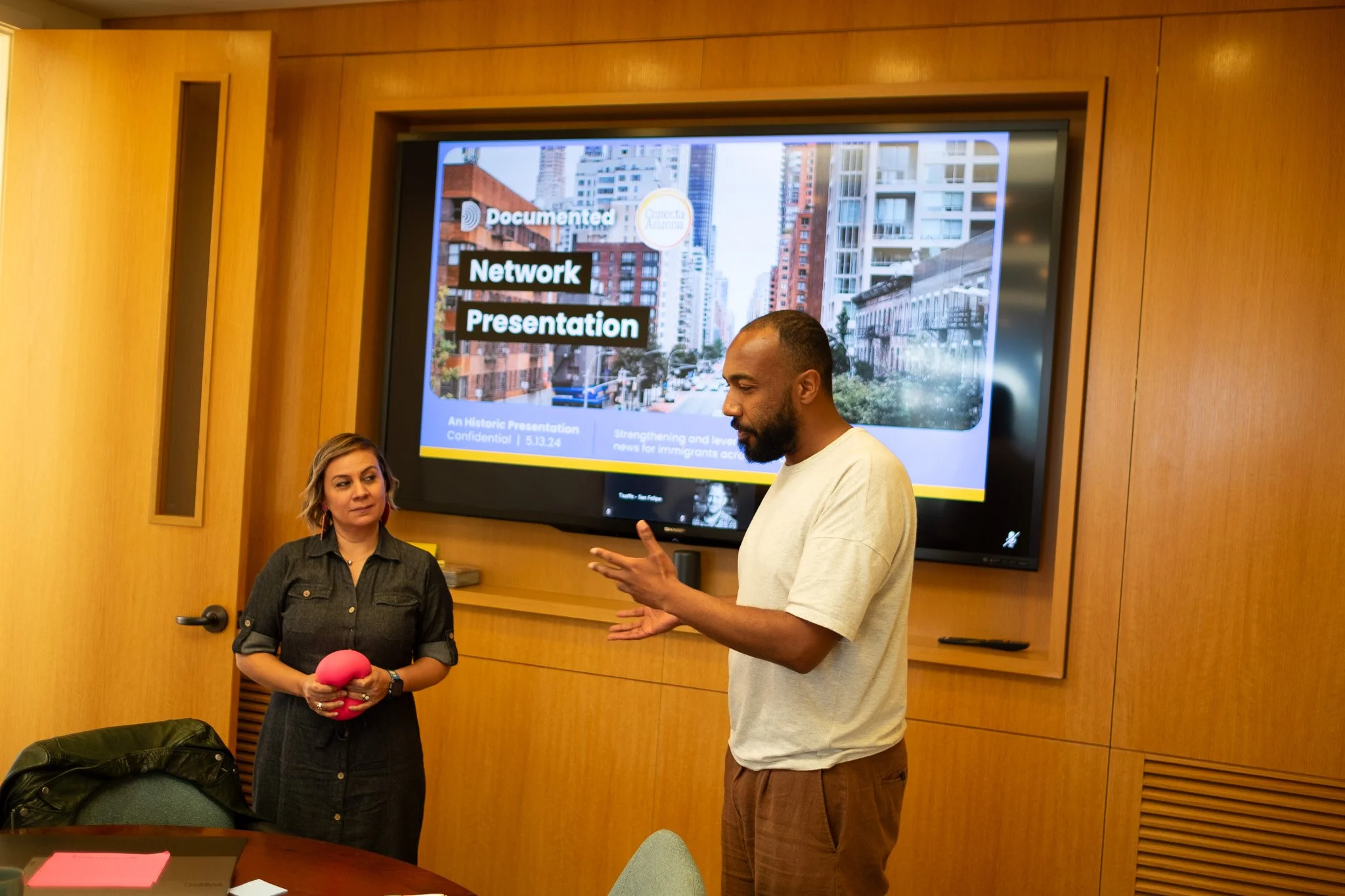
The Listening Post Collective (LPC) exists to expand civic information access in America, ensuring that everybody has access to information that is immediately and directly useful in their day-to-day lives and in their neighborhoods, communities, cities and towns. It began in New Orleans in 2013, where LPC developed the first Playbook for mapping a community's information and acting on what that mapping finds. More than a thousand organizations, newsrooms, and civic leaders have used it since.
-
In many cases LPC is a project's first funder. Two-way text services, rural radio stations, community newsletters, and civil sector organizations such as food pantries and libraries have become primary information sources in their communities. Grants are paired with training, capacity development, and access to a peer network, and partners have gone on to secure significant additional funding from other sources.
-
Developed with Brown University's Information Futures Lab, the Civic Information Index is an interactive map and dataset covering every county in the United States, tracking 27 indicators across news and information access, health and economic opportunity, and environmental resilience. It lets a community see its own position and a funder see the national picture.
-
The Civic Media Playbook is a free, interactive platform that takes any organization or individual through a DIY Information Ecosystem Assessment: how to identify where a community gets its information, and how to build something that fills the gaps.
-
LPC concentrates on the communities the data shows are furthest from reliable civic information: rural America, Appalachia, Southwest border communities, Indigenous communities, immigrant communities, and the Southeast.
Environmental Programs: Earth Journalism Network
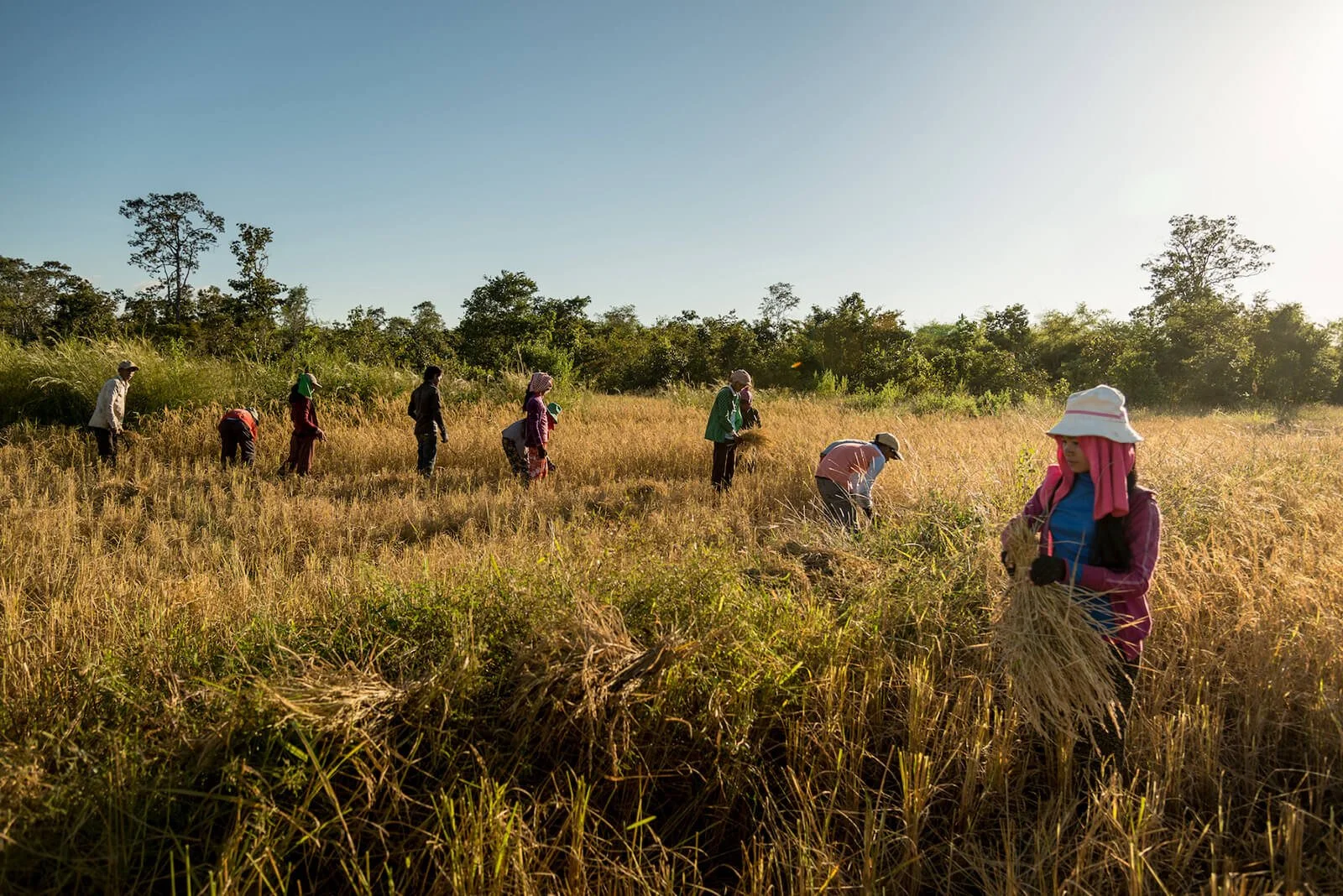
Created in 2004, the Earth Journalism Network (EJN) is a global network of 40,000+ reporters and media outlets in virtually every region of the world. EJN provides journalists with training, mentoring, story grants, and fellowships that build their skills in environmental journalism and ensure the publication of rigorous and locally relevant reporting. EJN also supports media organizations through grants, networking, digital innovation, and reporting collaborations.
-
EJN facilitates in-person and virtual workshops, training journalists from dozens of countries to report on climate change, biodiversity, forests, water, environmental health, oceans, and fisheries. EJN fellowships allow reporters in lower-income countries to attend environmental policy forums, including the UN Climate and Biodiversity COPs, the World Conservation Congress, and the World Water Forum. Webinars, online courses and tipsheets are open source while direct support grants help media organizations build environmental reporting capacity of their own.
-
EJN builds environmental journalism networks in countries where they don’t exist and collaborates with existing networks where they are already established. These networks operate in local languages, with journalists who understand local reporting context. EJN also funds investigative collaborations that bring newsrooms in different countries together on environmental problems that cross borders. EJN has partnered with more than 20 journalism networks over two decades.
-
Story grants are paired with one-to-one mentorship at every stage of production, from first idea to publication, and editorial control remains with the journalist. EJN encourages constructive reporting that goes past identifying a problem to examining what might solve it, with a focus on the perspectives of local people. More than 15,100 stories have been produced this way, in print, radio, television, and online.
Technical Expertise
These capabilities run across all Internews programs and services, and are available to partners and funders.
Community listening and research: Structured methods for finding out how information moves through a place, what people trust, and where the gaps are—from a single county to a national picture.
Media viability: Revenue model development, audience research, product design, and organizational planning for organizations.
Safety and security: Digital security, physical safety planning, and legal support for journalists and organizations working under pressure.
AI adoption: Helping small newsrooms and information providers use AI tools to reduce operating costs and extend their reach, while protecting the direct community relationships that make them trusted in the first place.
Information in crisis: Delivering reliable information during conflict, displacement, and disaster, and keeping local media operating when the conditions for it collapse.
Information integrity: Understanding how false and misleading information spreads in a specific community, and building the local capacity to counter it.
Measurement and learning: Frameworks and data for assessing whether information work changes anything, for our own programs and for funders designing theirs.