Information is Everywhere.

Trust isn’t.

We invest in trustworthy information communities already rely on. We partner with communities to identify who people actually trust, the information they want and need, and the places and platforms they already turn to.
Every Community Runs on Information.

When communities can get information they trust, in a form they can use, they do more with it. They can solve problems, show up, and ask hard questions of the people making decisions. They get to know their neighbors. 

Do this consistently over years, and a community gets stronger—and better able to handle what comes next.  
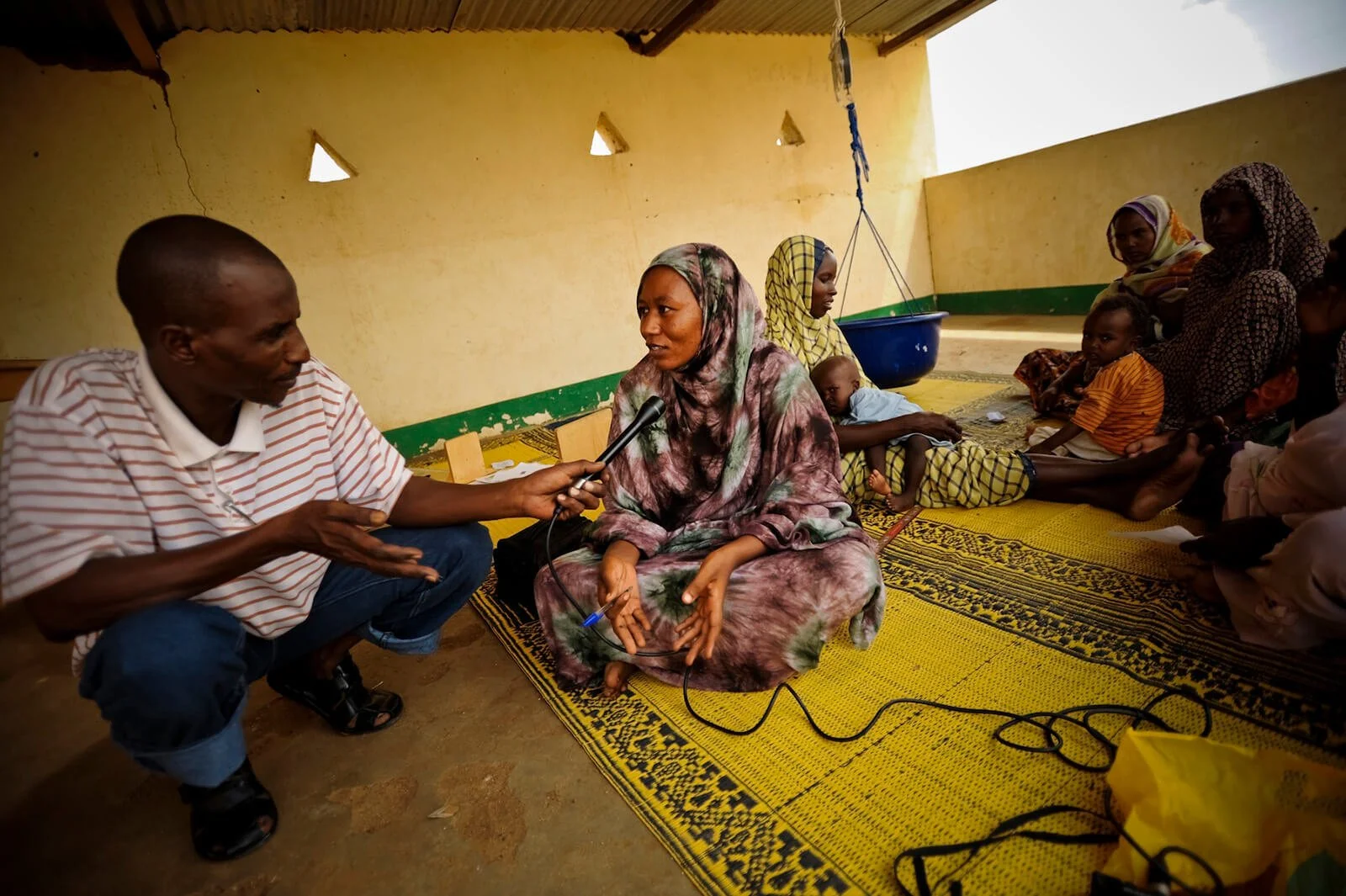
A group of women and children sitting on a yellow woven mat inside a simple room with yellow walls. A woman in the center is being interviewed by a man holding a microphone.

For 40+ years, in more than 100 countries, Internews has supported trusted and trustworthy information sources that arise in unexpected forms and unexpected places: from radio stations broadcasting out of trucking containers to megaphones strapped on bikes in refugee camps. 

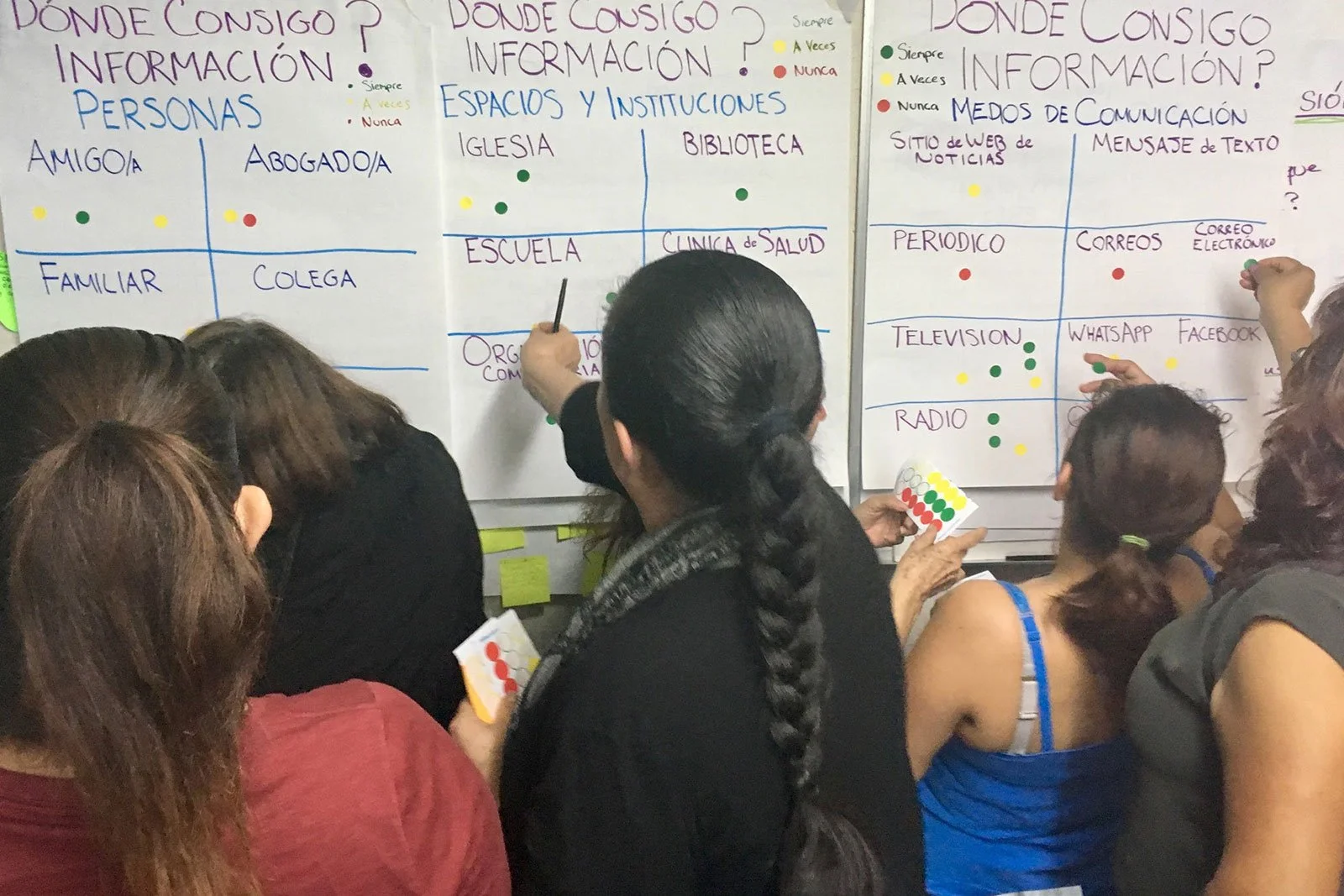
We do not force a one-size-fits-all media solution on to local partners. We take a listen-first approach, partnering with communities to identify information gaps and opportunities.

Then we invest in community-led news solutions, to pilot new ideas or strengthen existing ones. 
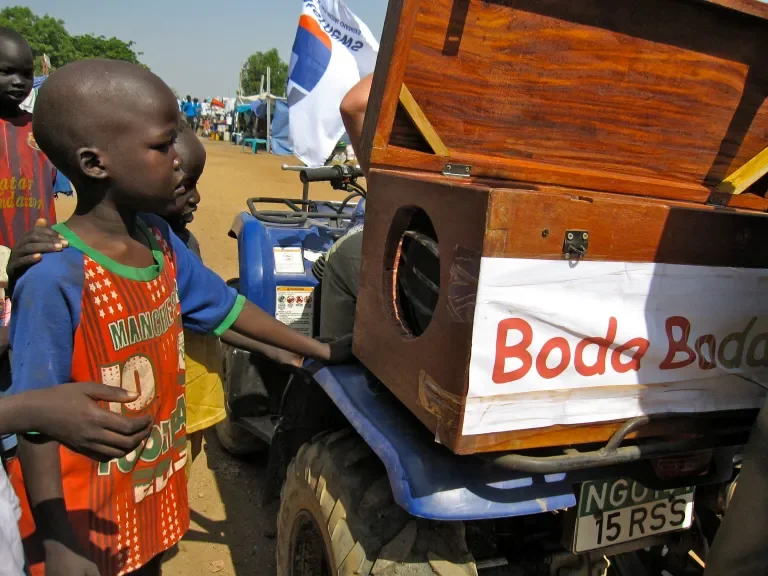
Young boy in a red and orange sports jersey standing next to a wooden box with a speaker inside, placed on a blue vehicle at an outdoor event, with people and tents in the background.
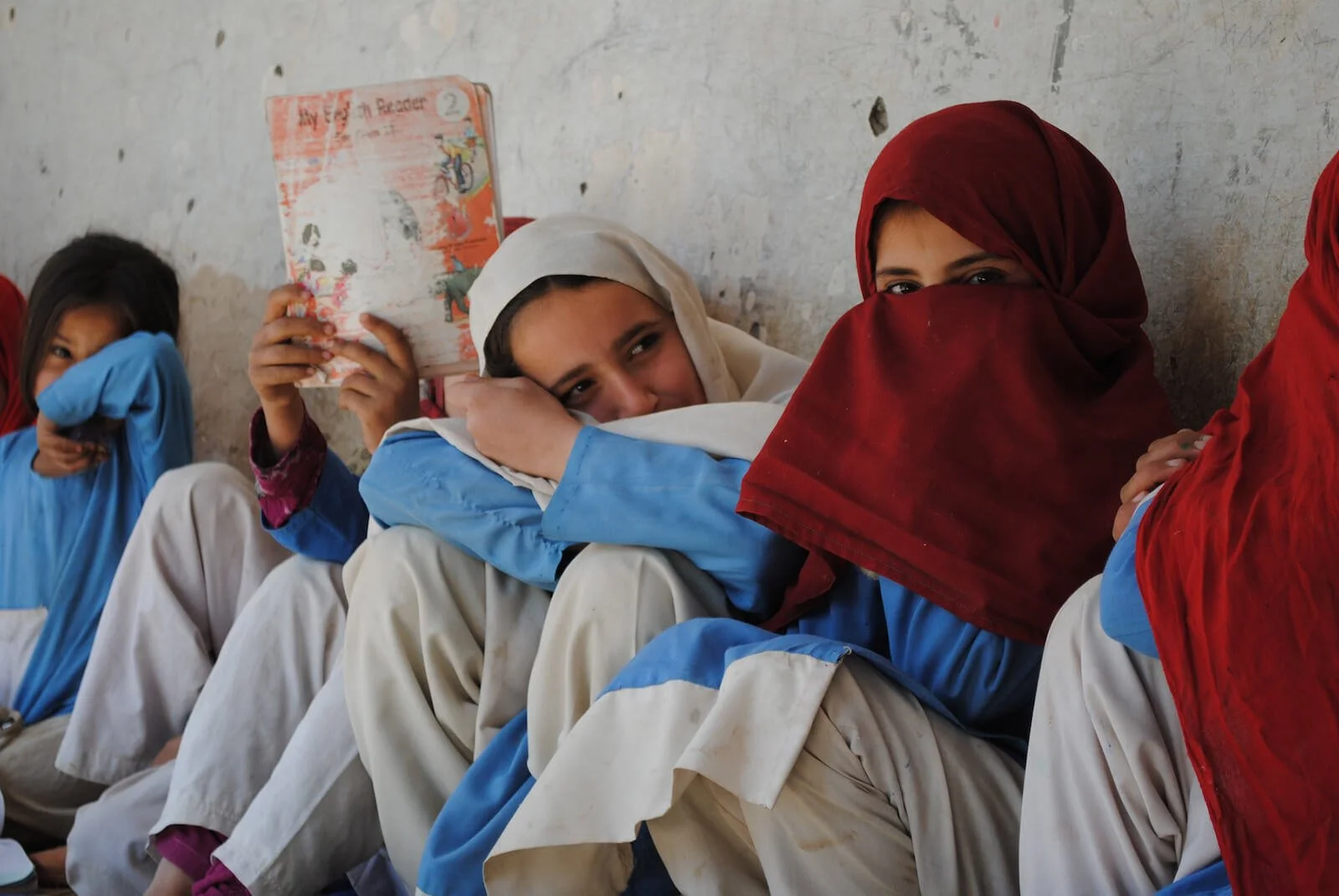
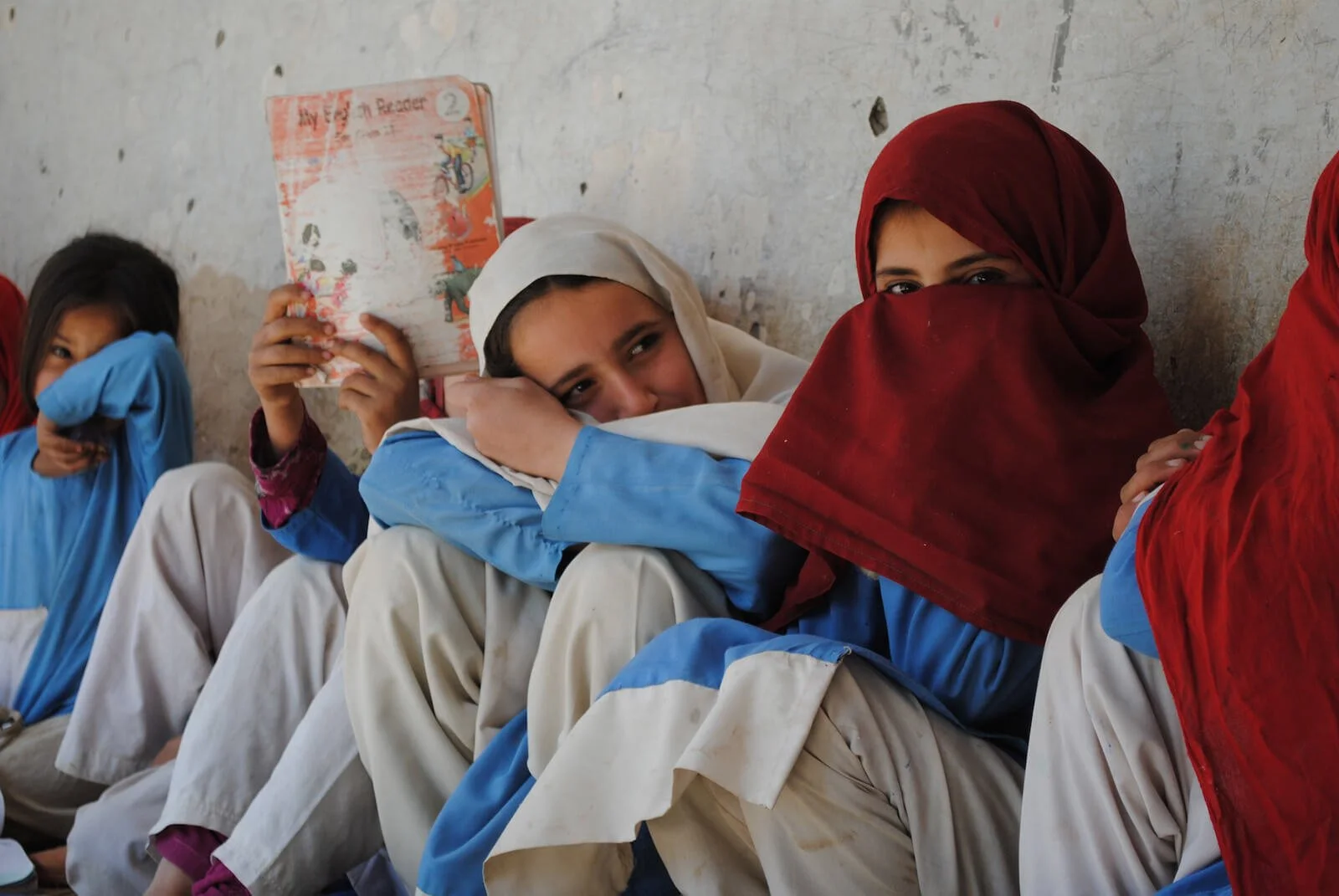
Group of school children sitting against a wall, some smiling and wearing traditional clothing with headscarves.
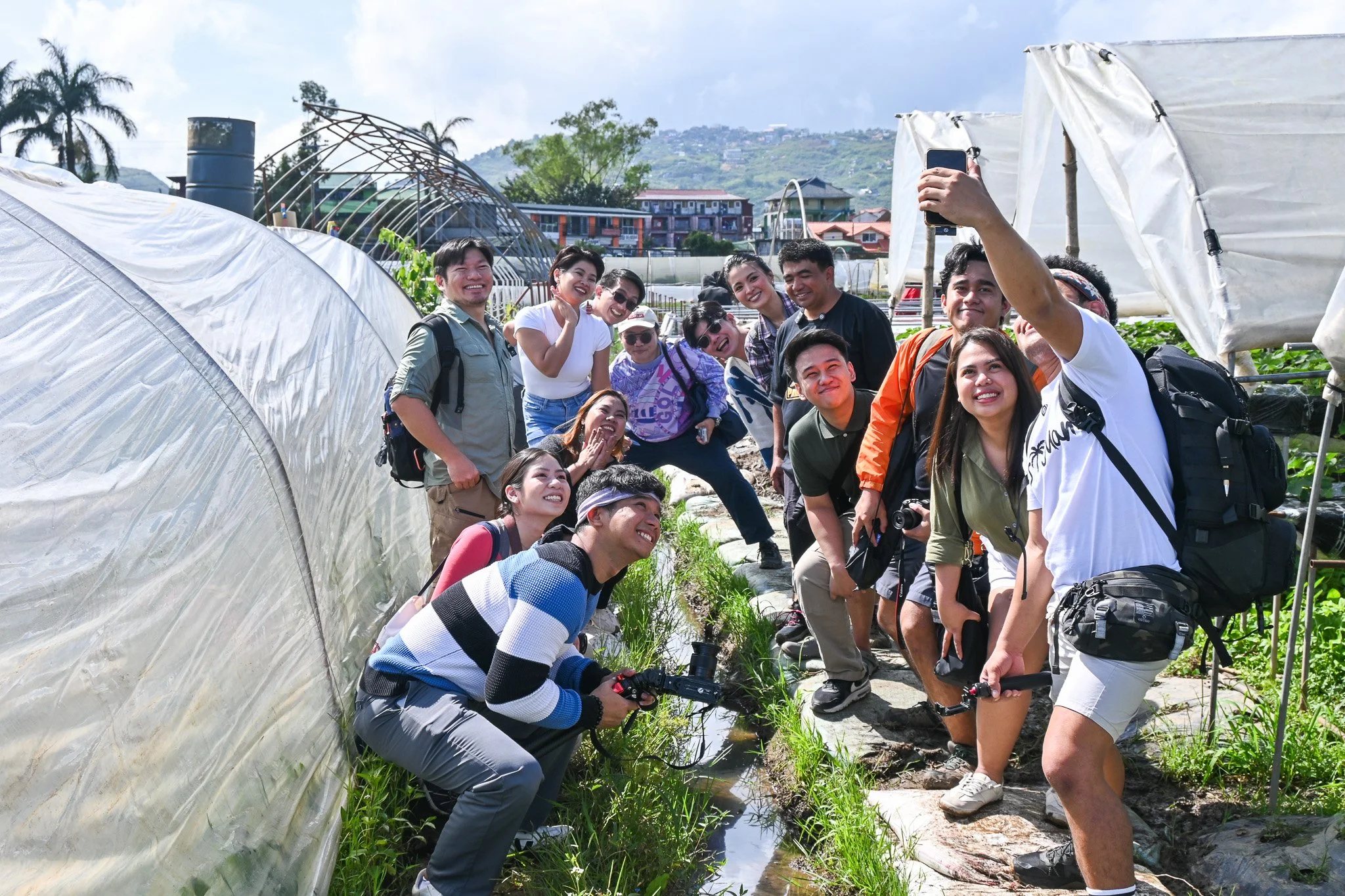
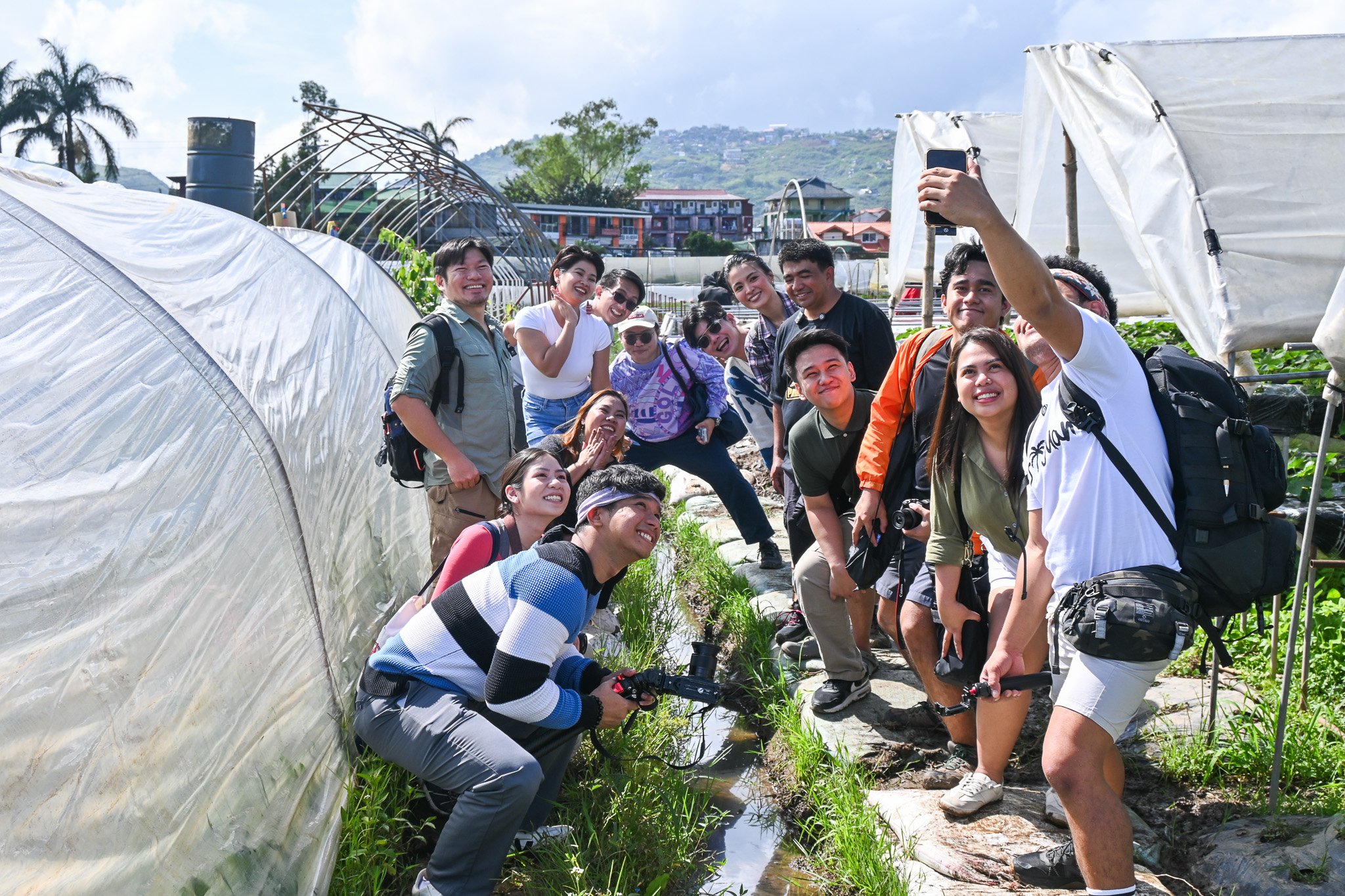
Group of people taking a selfie outdoors in a garden or farm, with greenhouses and hills in the background.

Initiatives

International: Independent Media Support

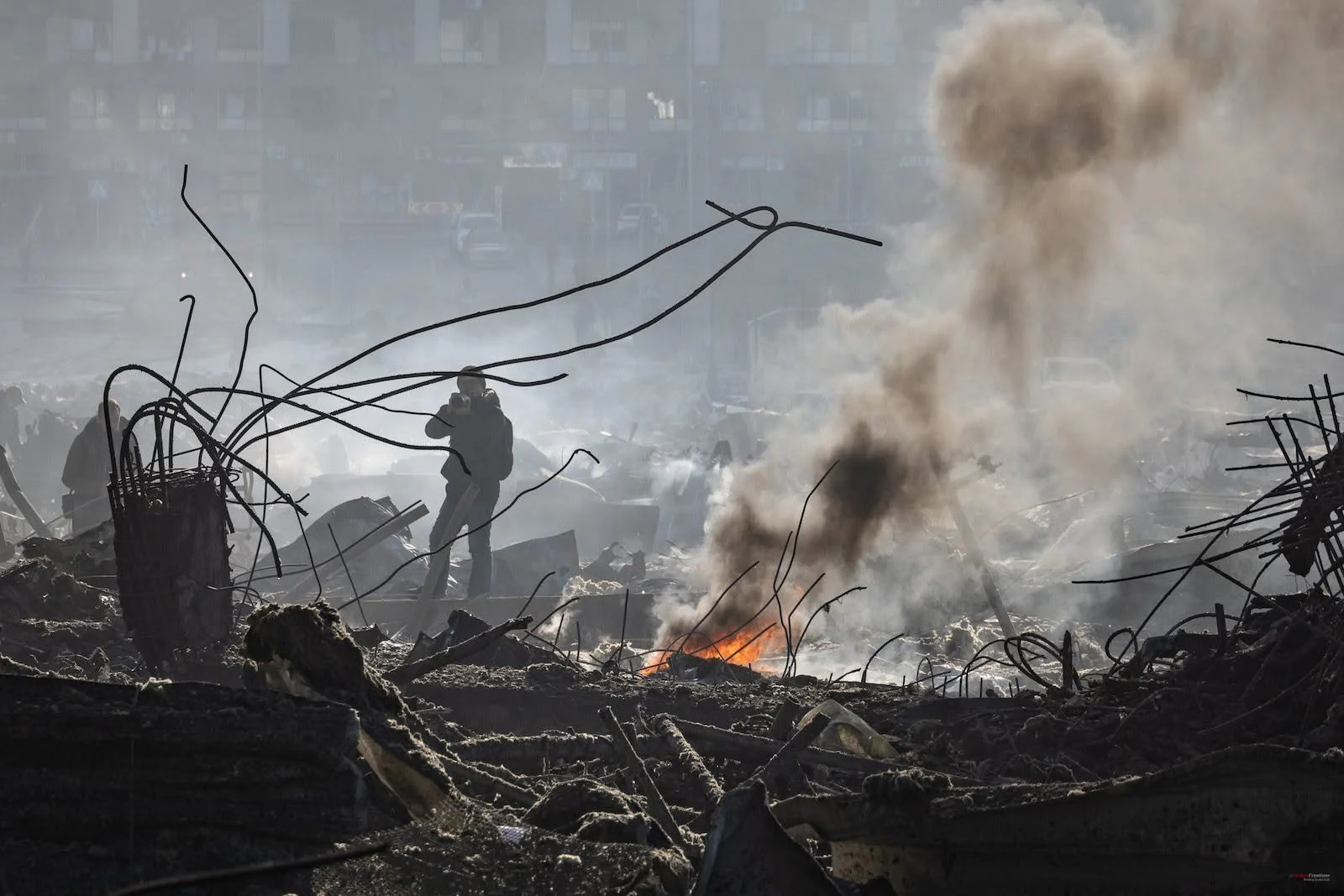
We support independent newsrooms and local media in the hardest places to get information: amid war, humanitarian crisis, political upheaval, and in countries pulled apart by deception.

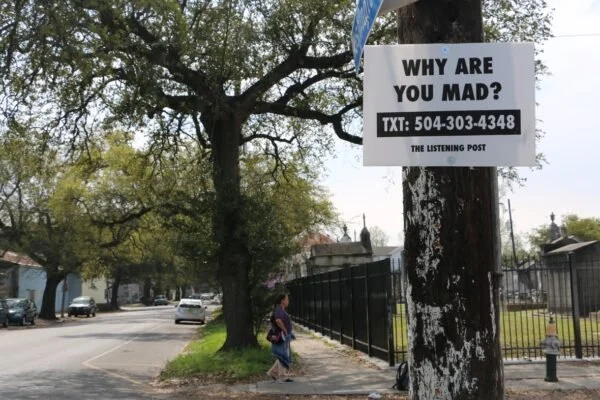
United States: Listening Post Collective

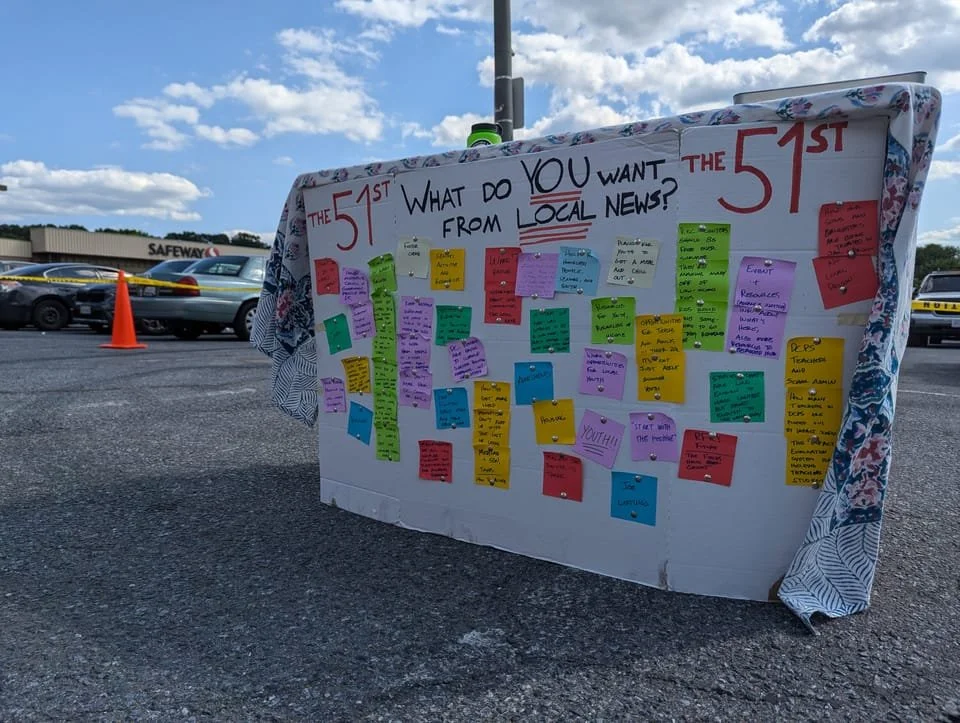
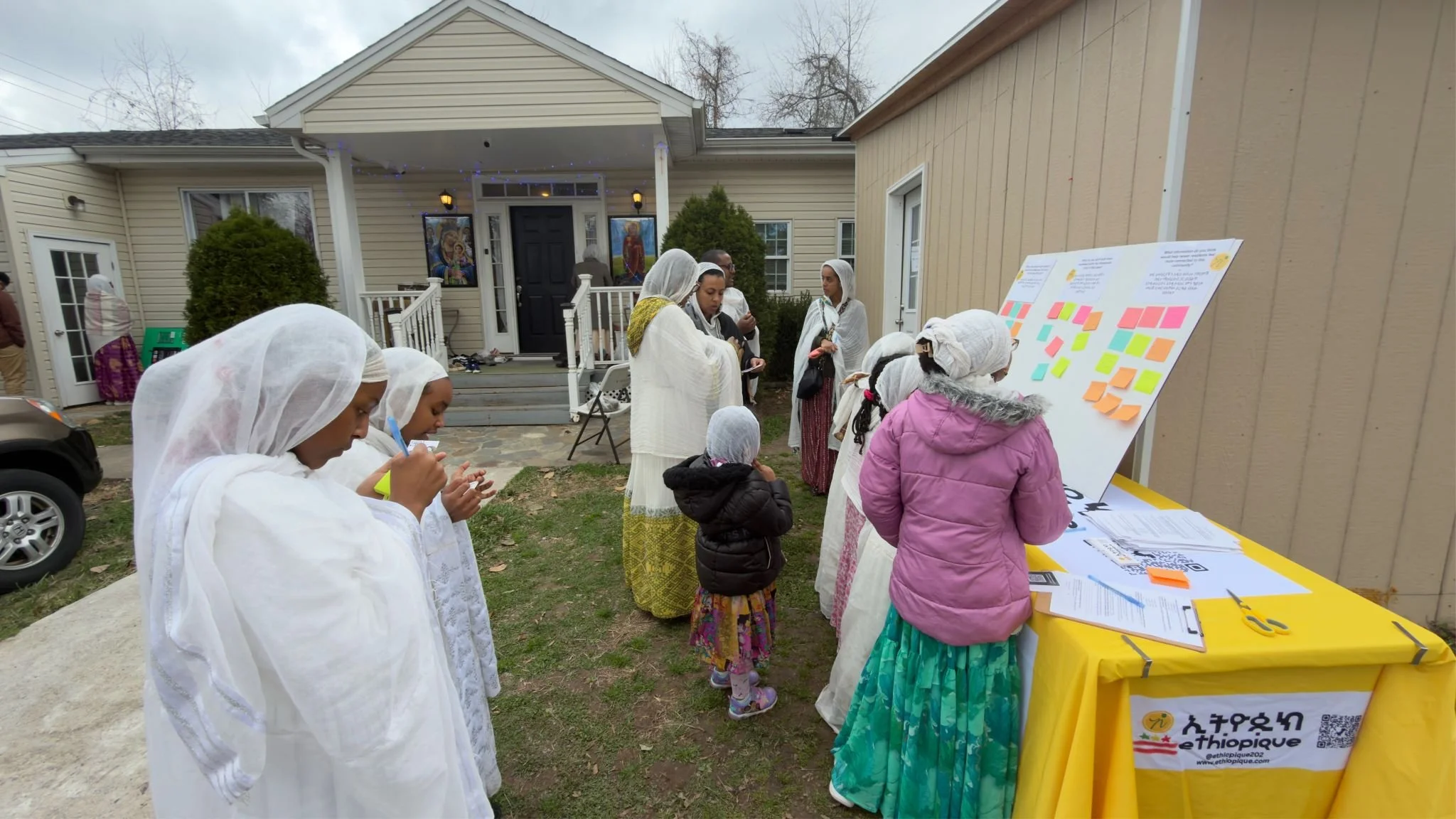
We work with communities across the US to develop the locally driven news and information solutions they need to thrive.

Global: Earth Journalism Network

We train and mentor journalists and information providers in underserved communities to cover the environment more effectively — and connect them to a worldwide network.

How Do We Know It’s Working?

People are not generally tracking if their local outlet published more stories this year than the year before; what they do care about is whether the information that matters to them reaches them, and that they know what to do with it. 

People use information to act.


When civil war in South Sudan displaced hundreds of thousands into UN protection sites in 2014, there was no way to tell a camp of 14,000 people where food was being distributed or how to avoid illness. Internews created a twice-weekly audio program, played through speakers mounted on motorbikes that stopped at listening points around the camp. Among regular listeners, 76% started washing their hands more often and 68% stopped bathing in drainage ditches.
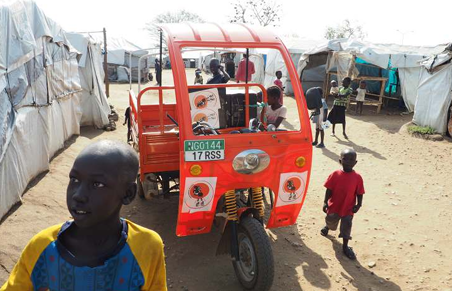
A red three-wheeled vehicle with cartoon character decals on the front, surrounded by children and tents in a makeshift outdoor setting.

Leaders have to answer.


For a decade, the people of Narikoso village on Fiji's Ono Island waited to be moved to higher ground as the sea took their shoreline. With an story grant from Internews’ Earth Journalism Network, a Fijian journalist reported on what was holding the relocation up. Within two months the Prime Minister had inaugurated the relocation site, and the first families moved to safety.
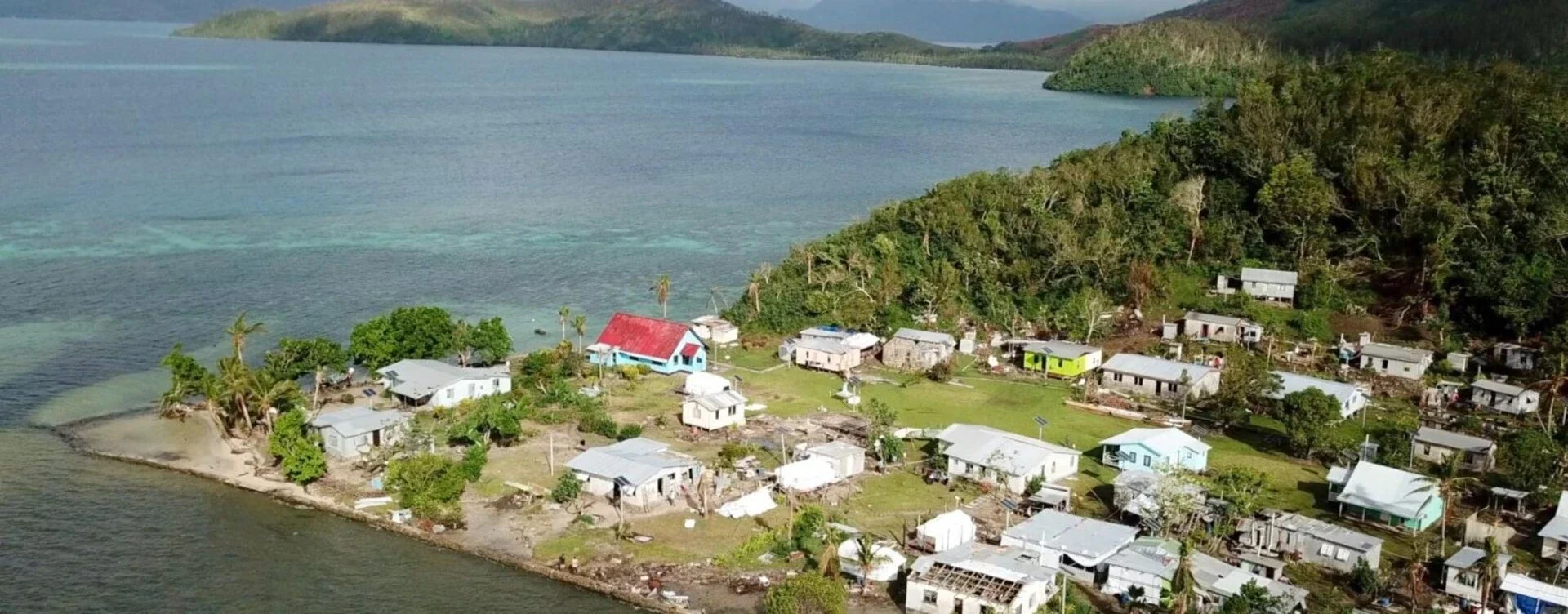
Aerial view of a small coastal village with colorful houses, surrounded by lush green trees, next to a body of water with a forested hillside in the background.

Nobody gets left out.


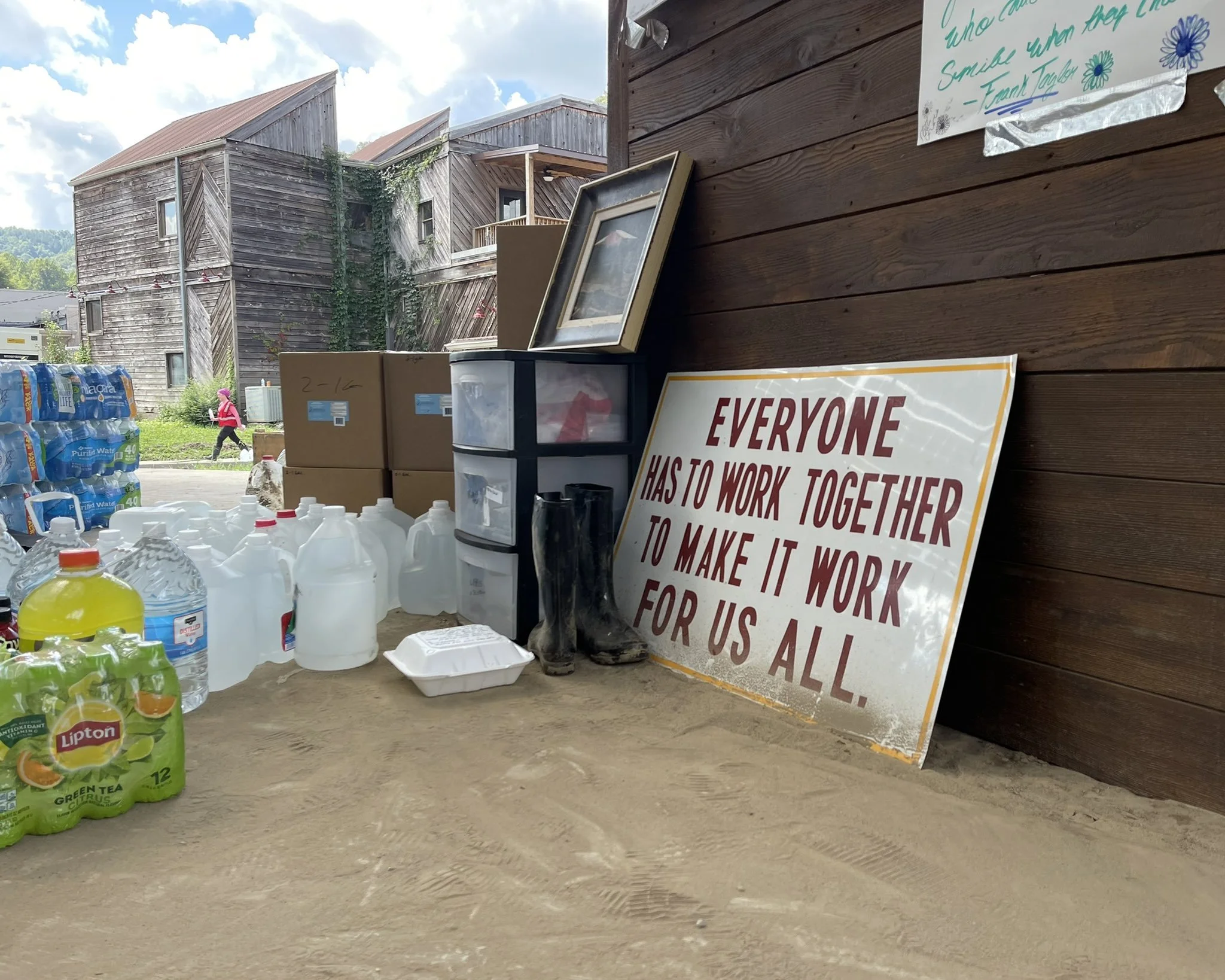
After catastrophic flooding in eastern Kentucky in 2025, radio station WMMT asked its listeners how they found (or didn’t find) information during the crisis. With support from Internews’ Listening Post Collective, the station convened an Emergency Preparedness Cohort—a coordinating body that did not exist before and now meets four times a year to make sure the next warning reaches the people it missed.
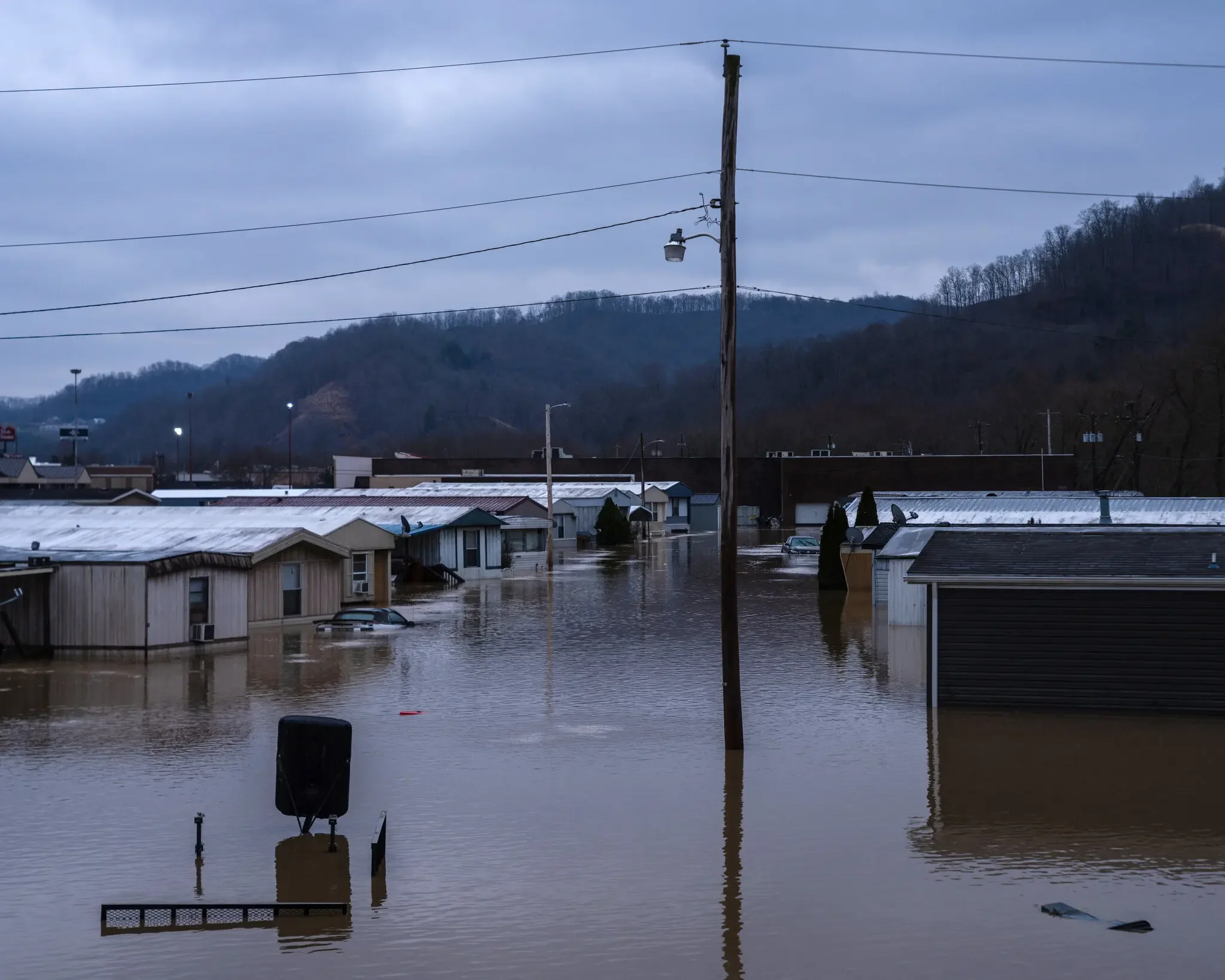
A flooded residential area with water submerging rooftops, utility poles, and trees under a cloudy sky.
  • "Internews equipment was the first that crossed the Ukrainian border and arrived in occupied Kherson."

    Oksana Romaniuk, Director of the Institute of Mass Information, Ukraine

  • "As tech platforms become ever more powerful players in our mis/information ecosystem, the field is finally recognizing the importance of trusting relationships in cutting through the noise. Major funders are investing in the sort of listening processes that the Listening Post Collective systematized, though in many cases they're missing half the point, which is that listening is the first step in developing a relationship. That’s a process that cannot be rushed, scaled, or outsourced."

    Madeleine Bair, Founder, El Tímpano

  • “The first validation we got from outside Nigeria was from Internews, saying ‘we believe in your work.’ We were doing something that was new on the continent, that wasn’t popular. But we knew that [digital rights] was a matter of life or death. … If we were turned upside down and shaken today, many of the things that would fall out of our pockets would be Internews templates.”

    Gbenga Sesan, Executive Director of Paradigm Initiative, which advocates for digital rights in Nigeria and West Africa

  • “Without the support of Listening Post Collective, we might have remained stuck in a stagnant starting phase. The subgrant made a real difference by giving us the time and resources to focus on what was most important at this particular moment. It allowed us to learn how to become better local media directors and journalists, and to define the direction in which we should grow.”

    Victor Hugo Febres, Esta es la Cosa

  • "In 2024 we got a grant from Earth Journalism Network to build a bank of climate change-related footage from countries across Asia Pacific. We worked with journalists in 10+ countries and published over 700 free-to-use clips on Flickr. The success of this project allowed us to land another grant from Columbia Journalism School to build our own platform that would host this footage, so we wouldn't have to rely on a third-party platform like Flickr. Thanks to the proof-of-concept the EJN grant gave us, we were able to launch openjournalism.network in 2025."

    Manon Verchot, InOldNews Co-founder

  • “I used to cover business and crime. But Earth Journalism Network has changed that—it has completely made me a climate and environmental journalist. It has not only changed the nature of my work, but it gave me a lot of tools, a network and a reputation as an international expert that helps my work.”

    Shamsuddin Illius, Bangladesh—Earth Journalism Network Story Grantee and COP26 Fellow

  • “Because of the nature of the quick-moving work that we do as journalists, it’s often our instinct to approach reporting and engagement with a top-down approach and provide readers with answers to a set of questions that arise over the course of our reporting. Listening Post Collective offers an important reminder: Sometimes the best stories and insights come directly from the community, and all you have to do is take the time to ask.”

    Courtney Teague, Honolulu Civil Beat

  • Speaking from COP27 in 2022: “Just a couple days until the deadline I decided to apply for this Earth Journalism Network opportunity.... I’m grateful that I did.... So far, I have had an out of this world experience, it’s been overwhelmingly good... The organization, the logistics, the preparation, made it so easy to come prepared.... [Earth Journalism Network] took care of all the details so that all I’m left with is focusing on coverage ... and I’ve been able to do that so easily.... I wish this was my daily work experience.”

    Paul Omorogbe, Nigeria—COP27 Fellow and UNCCD Virtual Fellow

  • “This project encouraged us to pay attention to building long-term trust in our readership and to be thoughtful in considering the best platform or channel for a project. We are now framing our newsroom not just as a content producer, but as a civic information resource – not just producing and responding to ephemeral events, but creating important evergreen resources that will impact our community long-term.”

    Maggie McGuire, Moab Sun News

  • "To me, what Earth Journalism Network has done which is very important during these years was bringing this perspective that you need to collaborate in a network. It is true that things got stronger because they were done in partnership, like the international network. We did this with InfoAmazonia—we had this international network. It gives importance to the international perspective and collaboration, to a point that, a lot of journalists involved in Earth Journalism Network are now much more visible and relevant and important than the mainstream media of the North.”

    Gustavo Faleiros, Brazil—Co-Founder of EJN Partner InfoAmazonia, CCMP Fellow and Trainer

  • "After the series of articles I did from COP26... my employer, a business newspaper, also decided to start a section specifically on ESG (environmental, social governance)—the first in the country—in the following year... Subsequently, this opened up more opportunities for me and the newspaper to cover sustainability news for the private sector, and for me to join a fellowship in the University of Cambridge (sponsored by our sovereign wealth fund) to study the origins and impact of ESG. This is all thanks to the CCMP fellowship by Earth Journalism Network, which I am immensely grateful for."

    Tan Zhai Yun (Nat), Climate Change Media Initiative Fellow

  • “Through the Listening Post approach, we had the opportunity to unveil issues and challenges faced by local communities that would have remained undiscovered without the collaboration of the team.”

    Rouba Elshoushi, Founder, No Filter, a factchecking initiative in Jordan